Your bag
Bag whispers: "Fill me!"
Order Total
$0 USD
Checkout
FAQs
Question #1: What are the most unique things to do in Singapore?
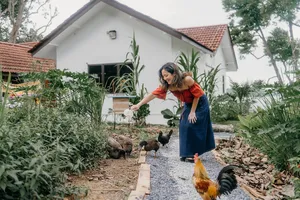
Answer #1: There are so many! Here are some of our faves which will change how you see Singapore. 1. Visit Singapore’s Last Kampong – A Time Capsule of Old Singapore Instead of just visiting the National Museum to learn about Singapore’s history, actually step into it! Singapore went from a fishing village to a global financial hub in just one generation. But Kampong Lorong Buangkok is the last remaining traditional village, where families still live in wooden houses with tin roofs. Walking through the kampong is like stepping into the past—kids play in open fields, chickens roam freely, and neighbours chat outside their homes. It’s a glimpse of a Singapore that once was. Since it’s privately owned, it’s best visited with a guide who can introduce you to the residents. 2. Explore Disappearing Kelongs – Floating Fishing Villages from the Past Instead of just eating seafood at a fancy restaurant, visit a traditional kelong and see how it’s caught! Before modern fish farms, Singapore’s fishermen lived in kelongs—traditional wooden houses built on stilts over the sea. These floating villages are disappearing, but you can still visit one on a boat trip. See how fishermen use age-old techniques to catch fish, and contrast it with Singapore’s modern fish farms. It’s a rare chance to see Singapore’s past and future side by side. 3. Walk with Ex-Offenders – A Gritty Look at Singapore’s Hidden Past Instead of hearing a polished version of history, experience the real, raw stories. Singapore is known for being safe and orderly, but in the past, gangs controlled entire neighbourhoods. On this tour, a former gang member shares real-life stories of secret societies, crime, and how he turned his life around. It’s raw, eye-opening, and gives you a deeper understanding of how Singapore became the country it is today. 4. Haw Par Villa – A Quirky, Creepy Theme Park from the 1930s Instead of Universal Studios, visit a theme park built around ancient Chinese superstitions.! Haw Par Villa is a one-of-a-kind cultural relic—a bizarre outdoor theme park that depicts traditional Chinese values in terrifyingly graphic ways. The “10 Courts of Hell” diorama shows what happens to people who misbehave (spoiler: it’s not pretty). It’s a weird, fun, and totally unexpected way to learn about traditional Chinese folklore. 5. Uncover Singapore’s Supernatural Side on a Ghost Tour Instead of just walking through heritage districts, hear the spooky stories lurking behind them! Singapore has a deep-rooted belief in spirits, and this ghost tour takes you to some of the most haunted spots in the city. You’ll hear eerie stories about restless spirits, urban legends, and the supernatural beliefs that still shape Singapore’s culture today.
Question #2: What are the best experiences that aren’t touristy?
Answer #2: To skip the crowds and experience Singapore differently, try this! ✅ Instead of Marina Bay Sands SkyPark → Secret Rooftop at Funan Mall (Free, stunning skyline views without the price tag) Most people head to Marina Bay Sands for panoramic views, but did you know you can get an amazing skyline view for free? Funan Mall’s hidden rooftop garden offers an incredible perspective of Marina Bay Sands, the Supreme Court, and the Singapore Flyer—without the crowds. Take the lift at Lobby B, and you’ll find a peaceful space perfect for photos, a quiet break, or even a picnic. ✅ Instead of touristy Sentosa → enter Sentosa’s Hidden Rainforest (Spot rare wildlife with a naturalist guide) Sentosa is beautiful but artificial. If you want to see something real, head into Sentosa’s hidden rainforest. Most visitors don’t realise that Sentosa has patches of untouched jungle, home to rare wildlife like colugos (flying lemurs), pangolins, and exotic birds. A guided walk will take you deep into the forest, where you’ll experience the wild side of Singapore that most people miss. ✅ Instead of Chinatown → Explore Joo Chiat & Katong (Colourful shophouses, rich Peranakan heritage, and amazing local food) Chinatown is always buzzing with tourists, but for a deeper dive into Singapore’s heritage, Joo Chiat and Katong are the places to go. These neighbourhoods are filled with beautifully preserved Peranakan shophouses, quirky boutique stores, and some of the best local eats in Singapore. Try traditional Nonya kueh, pop into a century-old coffee shop, or just wander through the colourful streets soaking in the old-meets-new charm. ✅ Instead of a River Cruise → Kayak in Mangroves (A quiet, immersive way to explore Singapore’s waters) Singapore’s river cruises show you the city skyline, but if you want a more intimate experience on the water, go mangrove kayaking. Paddle through hidden waterways in Pulau Ubin or Khatib Bongsu, where you’ll be surrounded by lush mangroves, spot otters, and maybe even an eagle flying overhead. It’s peaceful, adventurous, and shows a completely different side of Singapore—without the boat engine noise. ✅ Instead of Clarke Quay Bars → Go on a Speakeasy Bar Hunt (Uncover hidden cocktail gems with secret entrances) Clarke Quay is fun but predictable. If you want a more unique night out, hunt down Singapore’s hidden speakeasies. These bars are tucked away behind unmarked doors, disguised as tailor shops, or even hidden inside old Chinese medicine halls. Whether it’s a cocktail bar with a 1920s Shanghai vibe or a jazz lounge behind a fridge door, discovering these secret spots is half the fun. ✅ Instead of the Singapore Zoo → Sungei Buloh Wetland Reserve (See wildlife in their natural habitat, not in enclosures) The Singapore Zoo is world-famous, but if you want to see animals in the wild, head to Sungei Buloh Wetland Reserve. This sprawling mangrove forest is home to wild crocodiles, giant monitor lizards, otters, and migratory birds. Walk along raised boardwalks and keep an eye out for a massive estuarine crocodile sunbathing in the mud—it’s Singapore’s own version of a wildlife safari, and our favourite spot!
Question #3: What’s worth doing in Singapore if I’ve already been before?
Answer #3: If you’ve visited Singapore before and feel like you’ve ticked off all the major sights, there’s still a lot more to uncover. Beyond the futuristic skyline and famous attractions, Singapore has an incredible amount of heart—driven by passionate locals who are dedicated to preserving its nature, wildlife, and disappearing traditions. Whether it’s learning from artisans keeping old trades alive, exploring untamed pockets of wilderness, or stepping into forgotten history, these experiences will show you a side of Singapore that most visitors never get to see! Visit a Rooftop Bee Farm and Taste Fresh Honey – A hidden green oasis in the city Most people don’t think of Singapore as a place for beekeeping, but high above the city, a rooftop bee sanctuary is home to rescued bees that would otherwise have been exterminated. Learn about the crucial role bees play in our ecosystem, taste different varieties of raw honey, and see how urban farming is thriving in unexpected places. It’s a peaceful, eye-opening experience in the middle of the city. Explore Pulau Ubin – Singapore’s Last Wild Island Pulau Ubin feels like stepping into another world. There are no skyscrapers, no highways—just dirt paths, mangrove forests, and a slow village pace that’s rare in modern Singapore. Rent a bike and cycle past wooden kampong houses, kayak through tunnels of mangrove trees, and visit the Chek Jawa wetlands, where you can see horseshoe crabs and other rare marine life. If you think you know Singapore, Pulau Ubin will make you rethink everything. Hike to a Secret WW2 Bunker – A Forgotten Chapter of History Singapore’s World War II history is well-documented, but some of its most fascinating remnants are hidden deep in the jungle. Scattered across the island are abandoned underground bunkers that once stored ammunition and housed soldiers. Unlike Fort Canning, these bunkers are completely off-the-grid, requiring off-trail hiking, ducking through narrow tunnels, and crawling into underground rooms. If you’re looking for an adventure with real historical significance, this is one of the most intriguing places to explore. Sightseeing Through Puzzles – Explore Singapore Like a Detective If you’ve walked through Chinatown, Little India, or Marina Bay Sands before, you probably think you’ve seen everything these areas have to offer. But instead of just strolling through the streets, try exploring them through an interactive puzzle hunt. These games challenge you to solve mysteries while uncovering hidden details about Singapore’s history and culture. Whether you’re cracking a code at a temple, following a trail of clues through back alleys, or discovering a forgotten legend, this turns sightseeing into an adventure. Learn a Disappearing Trade from a Traditional Baker As Singapore modernises, many traditional trades are vanishing. One of them is the art of making old-school pastries by hand, using techniques passed down for generations. At this workshop, you’ll not only learn how to make traditional pastries, but you’ll also hear stories about how these treats were once an essential part of weddings, festivals, and daily life. It’s a rare opportunity to experience a piece of Singapore’s past before it disappears entirely. Cycle Through Little-Known Neighbourhoods Most visitors explore Singapore by MRT or taxi, but one of the best ways to see the city is on two wheels. Join a cycling tour through lesser-known neighbourhoods like Little India, Kampong Glam, and Jalan Besar, where you’ll find colourful street art, hidden alleys, and family-run eateries that have been around for generations. A guide will point out details you’d never notice on your own, from secret WWII bomb shelters to the backstories of old shophouses. Even if you’ve been to Singapore before, these experiences will give you a completely new appreciation for the city’s hidden side.
Question #4: Are there any off-the-beaten-path places in Singapore?
Answer #4: Yes! Despite Singapore’s reputation for being ultra-modern, there are still hidden pockets of history, nature, and forgotten places that most locals don’t even know about. Singapore’s Last Kampong (Village) – A Window into the Past Most people think Singapore is all skyscrapers, but in a tiny corner of the island, Kampong Lorong Buangkok still exists. This is Singapore’s last remaining traditional village, where you’ll find wooden houses, chickens roaming freely, and a glimpse of life before the city became a global financial hub. Unlike heritage museums, this is a living piece of history—but it may not be around much longer as the government has plans to redevelop the land. Marsiling WW2 Bunkers – Secret Underground Tunnels Deep in a forest near the Malaysian border lie abandoned World War II bunkers built by the British. These vast underground tunnels stored ammunition during the war but have since been forgotten, swallowed by the jungle. Exploring these bunkers feels like stepping into a real-life Indiana Jones adventure, complete with secret passageways and dark, moss-covered walls. Disappearing Kelongs – Floating Fishing Villages That Time Forgot Kelongs are traditional stilted fishing villages built over water, once common across Southeast Asia. While they were once a vital part of Singapore’s economy, only a handful remain today as the city modernizes. Visiting a kelong lets you see how old and new Singapore exist side by side, with traditional fish farms floating next to high-tech aquaculture facilities. Sentosa’s Hidden Fort – A Forgotten Military Site Sentosa is known for its resorts, but hidden in the jungle lies Fort Serapong, an abandoned British military fortress from the 1880s. It’s like Singapore’s Angkor Wat! Unlike Fort Siloso (which is well-preserved for tourists), this one is completely overgrown, giving it an eerie, post-apocalyptic feel. You’ll need a guide to find it—part of the adventure!
Question #5: Where Can I Go Hiking in Singapore?
Answer #5: Although Singapore is a city-state, it has surprisingly lush and diverse hiking trails, from hidden jungles to old railway tracks. 1. Rail Corridor & Clementi Forest – A Hike Through Singapore’s Abandoned Railway 🚶 Why it's special: This trail follows an abandoned railway line that once connected Singapore to Malaysia. Since the tracks were removed in 2011, nature has taken over, creating a rare urban wilderness. Start from Bukit Timah Railway Station, where you’ll see an old station platform and railway bridge. Walk through the Clementi Forest section, a misty, overgrown jungle that feels nothing like modern Singapore. End at the famous green railway tunnel, one of the most photogenic spots in Singapore. 2. MacRitchie Reservoir & TreeTop Walk – Singapore’s Most Famous Jungle Hike 🌳 Why it's special: This is the oldest nature reserve in Singapore, featuring a 250m-long suspension bridge that puts you above the rainforest canopy. Spot long-tailed macaques, monitor lizards, and flying lemurs along the way. Walk around the serene boardwalk along the reservoir, where you might see turtles and fish. The full hike is about 10km but can be shortened with alternative routes. 3. Bukit Timah Nature Reserve – Singapore’s Highest Peak 🏔 Why it's special: Bukit Timah Hill is the highest natural point in Singapore (163m), surrounded by one of the world’s most diverse rainforests. The trail is steep and challenging, making it a great workout. You’ll pass by huge dipterocarp trees that are hundreds of years old. Spot rare wildlife like pangolins, colugos (flying lemurs), and Malayan blue coral snakes. 4. Sungei Buloh Wetland Reserve – The Wildest Side of Singapore 🦅 Why it's special: This mangrove forest and wetland reserve is a birdwatcher’s paradise and home to wild crocodiles. Walk along wooden boardwalks through the mangroves, where you’ll see giant monitor lizards and otters. If you’re lucky, you’ll spot a wild estuarine crocodile resting in the mud. Best visited at sunrise or sunset when the wildlife is most active.
Question #6: What Are the Best Kayaking or Water-Based Experiences?
Answer #6: Singapore’s waters aren’t just for sightseeing—they’re perfect for kayaking, fishing, foiling, and yachting, offering a completely different perspective of the city. Whether you're paddling through hidden mangroves, flying over the waves on an e-foil, or heading out to sea for a fishing trip, these experiences show a wilder side of Singapore. Mangrove Kayaking at Pulau Ubin – Paddle Through an Untouched Jungle Pulau Ubin is one of Singapore’s last natural islands, with lush mangroves and rich biodiversity. Kayak through narrow mangrove tunnels, surrounded by towering trees and wildlife. Spot kingfishers, eagles, otters, and even horseshoe crabs as your guide shares stories about the island’s history and conservation efforts. Kayak Fishing – Catch & Cook Your Own Seafood Kayak fishing is a completely different way to fish, letting you explore Singapore’s waters while catching your own meal. Learn how to fish using a traditional handline or fishing rod, and catch species like barramundi, groupers, and snapper. Some experiences even let you grill your catch on the spot. It’s a mix of adventure, relaxation, and sustainability—no motors, just paddles. Night Kayaking – Singapore’s Waters Under the Stars A rare way to experience Singapore’s coastline in total silence, without the usual boat traffic. Paddle under the moonlight, with city lights twinkling in the distance, and in some areas, you might spot bioluminescent plankton lighting up the water. Some routes take you through mangroves at night, where you can see nocturnal wildlife. Stand-Up Paddleboarding at Sentosa – A Fun, Relaxing Water Adventure If kayaking feels too slow and surfing too extreme, stand-up paddleboarding is the perfect middle ground. It’s easy to learn, even for beginners, and lets you explore Singapore’s clearer waters around Sentosa while getting a light workout. The best sessions are at sunset when the sky turns golden. E-Foiling – Fly Above the Water E-foiling is one of the coolest new water sports in Singapore, letting you glide above the waves on an electric-powered surfboard. It’s a thrilling yet accessible experience—no wind or waves required. Whether you're a complete beginner or an experienced surfer, this is the closest thing to flying over water. Open Sea Fishing – A True Offshore Adventure For those who want a real fishing expedition, head out to Singapore’s open waters on a private fishing charter. These trips take you far beyond the coastline, where you can target larger fish like cobia, snappers, and even trevallies. Unlike shore fishing, this is a deep-sea adventure that combines the thrill of the open ocean with the satisfaction of catching your own seafood. Private Yacht Trip – Island Hop in Style A yacht trip is one of the best ways to explore Singapore’s surrounding islands. Sail out to Lazarus Island or Singapore’s lesser-known Southern Islands, where you can swim, snorkel, paddleboard, or simply relax with a barbecue on deck. It’s the perfect mix of adventure and luxury, with plenty of water activities for groups and families.
Question #7: What Islands Can I Visit Near Singapore?
Answer #7: Singapore is actually made up of over 60 islands, though most people only visit Sentosa. If you want a more untouched island adventure, try these: 1. Pulau Ubin – Singapore’s Last Kampong Island 🚴 Why it’s special: Pulau Ubin is one of the last places in Singapore where you can experience kampong (village) life. Rent a bike and cycle past wooden houses, rubber plantations, and abandoned quarries. Kayak through mangrove forests filled with wildlife, including otters and kingfishers. Visit Chek Jawa Wetlands, where you can see horseshoe crabs, mudskippers, and sea stars during low tide. Unlike Sentosa, Pulau Ubin feels like a step back in time, showing what Singapore was like before urbanization. 2. St John/Lazarus Island – The Closest Thing to a Tropical Paradise 🏝 Why it’s special: Lazarus Island has crystal-clear water and a long, quiet beach, perfect for a day of relaxation. A quick 15-minute boat ride from Marina South Pier. No crowds, no buildings—just sand, sea, and nature. Pack a picnic and spend the day swimming or sunbathing on one of Singapore’s best-kept secrets. 3. Kusu Island – A Sacred and Serene Escape 🐢 Why it’s special: Kusu Island is a mix of spiritual heritage and natural beauty, known for its legendary tortoises and sacred sites. Visit the famous Kusu Island temple, dedicated to the Chinese deities Tua Pek Kong and Guan Yin. Climb 152 steps up a hill to visit the Malay keramat (shrine), which is believed to bring good luck. Spot hundreds of tortoises in the island’s turtle sanctuary. Enjoy a small but peaceful beach and picnic areas for a quiet retreat. 4. Sisters’ Islands – A Marine Biodiversity Haven 🌊 Why it’s special: Sisters’ Islands are home to Singapore’s first Marine Park, where you can see vibrant coral reefs and marine life. Snorkel or dive in protected waters teeming with clownfish, sea anemones, and reef sharks. Go on an intertidal walk during low tide, where marine guides help you spot rare sea creatures like giant clams and sea cucumbers. The islands are uninhabited and accessible only by boat, making them one of Singapore’s most pristine nature getaways.
Question #8: Where Can I See Wildlife in Singapore?
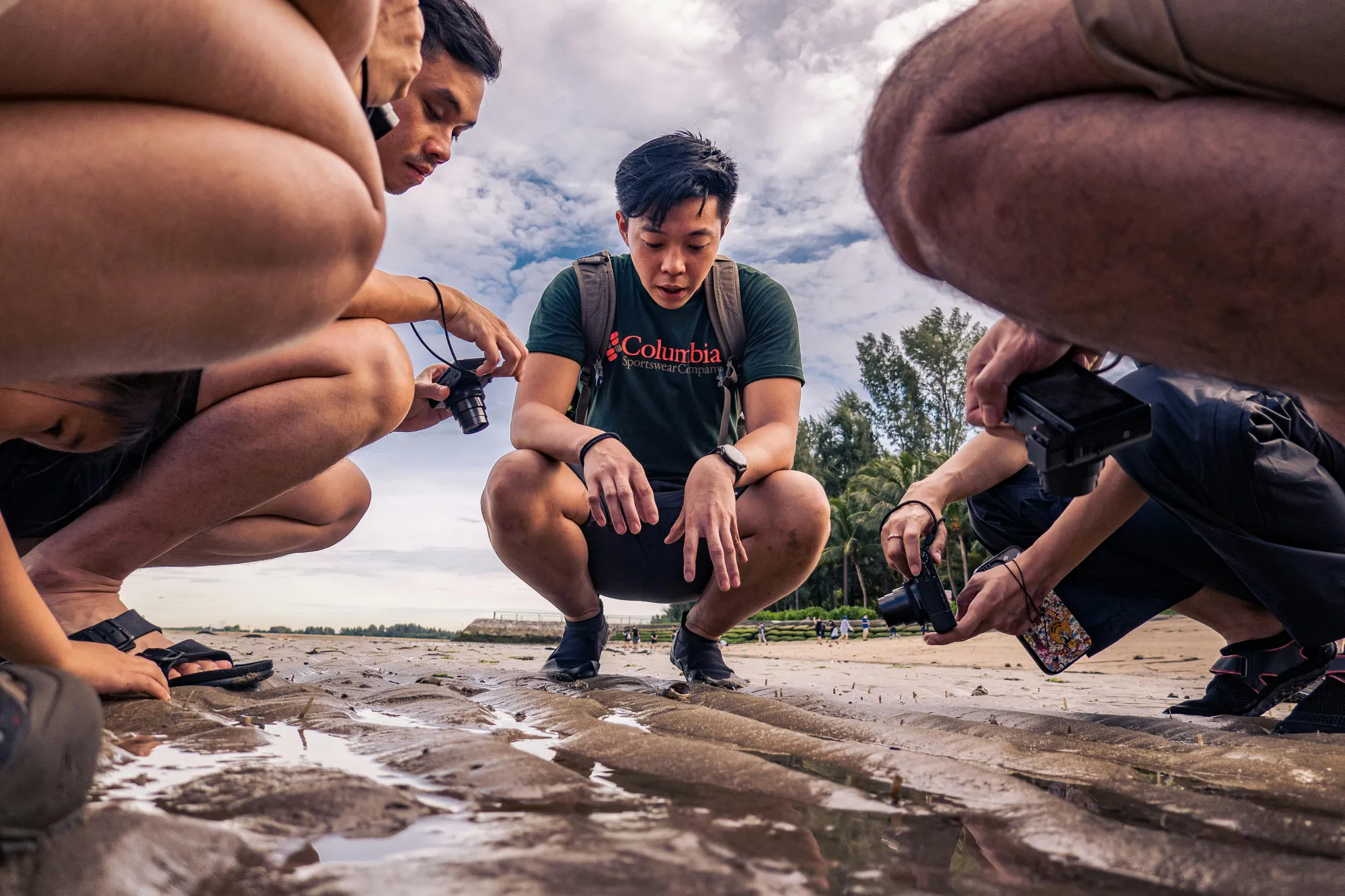
Answer #8: Singapore’s wildlife isn’t just in the zoo—it’s thriving in wetlands, rainforests, and even the shores. Whether you’re looking for crocodiles, nocturnal creatures, or marine life, these spots will show you the city’s wild side! 1. Sungei Buloh Wetland Reserve – Crocodiles & Migratory Birds Why it’s special: This wetland reserve is home to wild estuarine crocodiles, one of the largest predators in Southeast Asia. Spot monitor lizards, otters, herons, and kingfishers as you walk along the raised boardwalks. A must-visit for birdwatchers, especially from September to March, when migratory birds like sandpipers and plovers stop by. If you’re lucky, you might see a massive crocodile sunbathing near the water’s edge. 2. Sentosa’s Rainforest – Nocturnal Wildlife Walk Why it’s special: Sentosa isn’t just theme parks—it has a hidden rainforest filled with night creatures. Spot colugos (flying lemurs), snakes, owls, and rare insects as they emerge after sunset. A naturalist guide helps you notice creatures you’d never see on your own, like bioluminescent fungi and camouflaged tree frogs. Listen to the calls of nocturnal animals as you explore one of Singapore’s last coastal forests. 3. Intertidal Walk – Discover Marine Life Up Close Why it’s special: During low tide, Singapore’s shores transform into hidden marine ecosystems, revealing a world of creatures you’d never see during the day. Explore the intertidal zones of Changi Beach, Sentosa, or Pulau Ubin, where the tide recedes to expose fascinating sea life. Spot sea stars, horseshoe crabs, sea cucumbers, anemones, and even baby sharks in shallow pools. A marine biologist guide helps you identify rare species and understand the delicate balance of these coastal habitats. This is Singapore’s closest experience to a marine safari, making it a great adventure for wildlife lovers and families.
Question #9: What Are Some Hidden Nature Spots in Singapore?
Answer #9: Despite its urban landscape, Singapore has hidden nature spots that feel completely removed from the city. We bet you most locals wouldn’t have been to these hidden spots! 1. Kranji Marshes – A Hidden Wetland Oasis 🌾 Why it’s special: One of Singapore’s least visited nature reserves, home to diverse birdlife and marshland ecosystems. A quiet alternative to Sungei Buloh, with lookout towers offering panoramic views of the wetlands. Spot rare birds like the purple swamphen, white-bellied sea eagle, and pied fantail. Walk through lush grasslands and freshwater marshes, where butterflies and dragonflies thrive. Perfect for nature lovers, birdwatchers, and those looking for a peaceful escape. 2. Coney Island – Singapore’s Wildest Coastal Park 🚴 Why it’s special: A rugged island with cycling trails, wild beaches, and forests that feel more like Europe than Southeast Asia. Rent a bike and explore narrow dirt trails lined with tall Casuarina trees. Discover hidden beaches with driftwood-strewn shores, where you might spot wild otters. Keep an eye out for migratory birds and rare butterflies. Unlike Sentosa, this island remains largely undeveloped, making it a true nature getaway. 3. Bukit Brown – A Forgotten Forest with Heritage and Wildlife ⚰️ Why it’s special: Bukit Brown is one of the largest Chinese cemeteries outside of China, but it has also become a thriving wildlife haven. The overgrown cemetery has dense secondary forest, providing a sanctuary for birds, monitor lizards, and wild boars. It’s home to century-old gravestones, some belonging to Singapore’s early pioneers. The cemetery is not officially a park, so parts of it feel completely untouched. Birdwatchers flock here to see species like the Asian fairy-bluebird and greater racket-tailed drongo. A visit here is like stepping into a forgotten chapter of Singapore’s history, hidden within nature.
Question #10: Where Can I Learn About Singapore’s Culture in a Hands-On Way?
Answer #10: Instead of just visiting museums, try these interactive cultural experiences where you can make, taste, and experience Singapore’s heritage firsthand. 1. Batik Painting – Learn the Art of Wax-Resist Dyeing Batik painting is a traditional Southeast Asian art form where hot wax is used to create intricate patterns before dyeing fabric. Singapore’s batik style blends Malay, Javanese, and Peranakan influences, resulting in unique designs. In a workshop, you’ll use a canting (a small tool for applying wax), layer colors through multiple dyeing processes, and create your own batik masterpiece to take home. This hands-on craft offers insight into a disappearing artistic tradition. 2. Peranakan Beadwork – Stitch Intricate Beaded Designs Peranakan beadwork was once a highly valued skill among Nyonya women, who would painstakingly stitch glass beads onto silk to create decorative slippers, tablecloths, and wedding accessories. At a beadwork workshop, you’ll learn the traditional stitching technique used to make Peranakan beaded shoes. Each design can take weeks or even months to complete, making this a slow but meaningful way to appreciate Peranakan craftsmanship. 3. Tingkat Painting – Decorate a Traditional Tiffin Carrier The tingkat, or tiffin carrier, was once an essential part of daily life in Singapore, used to carry home-cooked meals. Today, it symbolizes heritage and sustainability. In a tingkat painting workshop, you’ll get to decorate your own tiffin carrier with traditional motifs while learning about its cultural significance from a local Nyonya artist. 4. Traditional Cooking Classes – Learn to Cook Like a Local Singapore’s diverse food scene reflects its mix of Chinese, Malay, Indian, and Peranakan influences. Instead of just eating, why not learn to cook some of Singapore’s most iconic dishes? This is one of the most immersive ways to experience Singapore’s culinary culture!
Question #11: Are There Any Cool Heritage Neighbourhoods to Explore Beyond Chinatown and Little India?
Answer #11: Yes, Singapore has several lesser-known but equally fascinating neighbourhoods with rich cultural history, heritage architecture, and unique local businesses. 1. Joo Chiat & Katong – Peranakan Culture and Colourful Shophouses Joo Chiat and Katong are home to some of Singapore’s most beautifully preserved Peranakan shophouses, painted in pastel colors with intricate floral motifs. This area is known for its strong Peranakan influence, reflected in its food, architecture, and traditions. Wander along East Coast Road and visit heritage bakeries, Peranakan tile shops, and old-school coffee houses. 2. Tiong Bahru – Singapore’s Oldest Public Housing Estate with a Hipster Twist Tiong Bahru is one of Singapore’s oldest public housing estates, built in the 1930s in an Art Deco style. It has since transformed into a trendy enclave filled with indie bookstores, heritage cafes, and small galleries. While exploring the area, stop by the Tiong Bahru Market for some of the best hawker food in the city. 3. Geylang – More Than Just a Red-Light District Geylang is best known for its nightlife, but it’s also one of the most historically rich areas in Singapore. Here, you’ll find century-old temples, clan houses, and traditional shophouses alongside some of the best late-night hawker food. Visit the Geylang Serai Market, a hub of Malay culture, where you can try nasi padang and buy traditional fabrics. 4. Everton Park – A Hidden Enclave of Heritage and Creativity Everton Park is a very small but charming neighborhood with beautifully restored shophouses, indie cafes, and hidden murals that tell the stories of Singapore’s past. Unlike Chinatown, which is packed with tourists, Everton Park is quieter and feels more like an authentic slice of old Singapore. Keep an eye out for street art that depicts daily life from the 1950s and 60s.
Question #12: Can I Visit Local Workshops or Family-Run Businesses in Singapore?
Answer #12: Yes, and visiting these small businesses is one of the best ways to experience Singapore’s disappearing trades and artisanal heritage. 1. Traditional Pastry Shops – See How Old-School Chinese Treats Are Made Many traditional bakeries are closing down as younger generations move away from the trade, but a few still preserve their family recipes. Visit a traditional pastry shop where bakers make mooncakes, ang ku kueh (red tortoise cakes), and kueh lapis (layered cake) by hand. Some workshops allow you to try making these pastries yourself. 2. Leather Crafting Studios – Learn the Art of Handmade Leather Goods Singapore has a small but dedicated community of leather artisans who craft wallets, keychains, and bags using traditional techniques. At a workshop, you’ll learn how to cut, stitch, and finish leather pieces, experiencing a craft that is becoming increasingly rare in modern Singapore. 3. Peranakan Tile Workshops – Discover the Art of Hand-Painted Tiles Peranakan tiles, with their vibrant floral and geometric designs, were once commonly used to decorate shophouses and temples. Today, you can visit workshops where artisans still produce hand-painted Peranakan tiles, and even try painting your own.
Question #13: What Makes Peranakan Culture So Unique in Singapore?
Answer #13: Peranakan culture is one of the most distinctive aspects of Singapore’s heritage, blending Chinese, Malay, and Indonesian influences into a rich and vibrant identity. The Peranakans, also known as Straits Chinese (Babas and Nyonyas) or Chitty Melaka (Indian Peranakans), were communities that emerged as early as the 15th century, when Chinese and Indian traders settled in Southeast Asia and married local Malay women. What makes Peranakan culture stand out in Singapore is how it evolved uniquely from its regional counterparts. Unlike Peranakan communities in Malaysia and Indonesia, Singapore’s Peranakans developed distinct language, customs, and craftsmanship due to the island’s role as a trading hub and cultural melting pot. Their traditions are best seen in their food, fashion, decorative arts, and belief systems, which combine influences from different cultures into something entirely their own. Food: Peranakan cuisine blends Chinese cooking techniques with Malay and Indonesian spices, creating dishes like laksa, ayam buah keluak (chicken with black nut), and kueh (traditional sweets). Fashion: Nyonya women wore intricately embroidered kebayas, often paired with hand-beaded slippers. Decorative Arts: Peranakan homes are adorned with elaborate tiles, carved wooden furniture, and colorful ceramics that showcase their love for fine craftsmanship. Beliefs: Many Peranakans were influenced by Taoism, Buddhism, and ancestral worship, but they also absorbed elements of Malay spiritual traditions. Despite modern influences, efforts are being made to preserve Peranakan traditions, and Singapore remains one of the best places to experience this fascinating culture.
Question #14: What Are the Best Places to Experience Peranakan Culture in Singapore?
Answer #14: 1. The Intan – A Private Peranakan Home Museum Unlike a traditional museum, The Intan is a private home that houses one of the most impressive collections of Peranakan artifacts in Singapore. The owner, an avid collector of Peranakan antiques, personally guides visitors through his home, explaining the significance of beaded slippers, ornate furniture, and family heirlooms. The experience is intimate and personal, offering insights into daily Peranakan life that you won’t find in larger museums. Expect to see intricate beadwork, antique porcelain, and traditional wedding accessories, all carefully curated to tell the story of the Peranakan community. 2. Katong & Joo Chiat – The Heart of Peranakan Culture Joo Chiat and Katong are the best places to immerse yourself in Peranakan heritage, with well-preserved shophouses, traditional bakeries, and family-run craft stores. Walk along Koon Seng Road, famous for its pastel-colored Peranakan shophouses adorned with hand-painted ceramic tiles. Try authentic Peranakan dishes at Guan Hoe Soon, one of Singapore’s oldest Peranakan restaurants, or sample homemade kueh from local bakeries. Visit small boutiques selling kebayas, beaded slippers, and Peranakan ceramics, which are still handmade using traditional techniques. 3. Peranakan Museum – A Deep Dive into Nyonya and Baba Heritage The Peranakan Museum holds one of the largest collections of Peranakan artifacts in Southeast Asia, offering a comprehensive look at their customs, fashion, and traditions. Interactive exhibits showcase elaborate wedding rituals, ancestral worship, and everyday life in a Peranakan household. Highlights include a beautifully restored Peranakan bridal chamber, showcasing the extravagant furniture and textiles used in traditional weddings. The museum also displays intricate gold jewelry, beaded handbags, and ceremonial outfits, reflecting the community’s love for fine craftsmanship. 4. Tingkat Painting – Decorate a Traditional Tiffin Carrier The tingkat (tiffin carrier) was once an essential household item in Peranakan culture, used to transport home-cooked meals. Today, it has become a symbol of tradition and sustainability. In this workshop, you’ll hand-paint your own tingkat, using traditional Peranakan floral motifs and bright colors. Learn about how Peranakan households practiced food-sharing and communal dining, which made tingkat an important part of daily life. This activity is a blend of creativity and culture, giving you a functional keepsake that represents Singapore’s heritage. 5. Peranakan Tile Painting with a Nyonya Artist Peranakan homes are famous for their vibrant, hand-painted tiles, which feature floral and geometric designs influenced by European, Chinese, and Malay art styles. This workshop, led by a Nyonya artist, teaches you the traditional techniques of Peranakan tile painting. Learn the meaning behind different motifs and patterns, such as phoenixes (symbolizing prosperity) and peonies (representing beauty and wealth). Create your own hand-painted tile, similar to the ones used in historic Peranakan shophouses. 6. Private Home Dining with a Peranakan Chef Instead of eating at a restaurant, dine in the home of a Peranakan chef, who prepares a curated tasting menu while sharing stories about Peranakan heritage. Experience homemade versions of Peranakan dishes like ayam buah keluak, chap chye, and kueh pie tee. Learn about the history behind Peranakan food and how recipes have been passed down through generations.
Question #15: What’s the best way to discover Singapore’s food scene beyond the usual lists?
Answer #15: Singapore’s food culture goes beyond famous hawker centres and Michelin-starred restaurants. For a deeper, more local experience, explore these hidden food gems. 1. Hawker Supper Crawls – Eat Like a Local, Late Into the Night Some of the best Singaporean food is found late at night, long after the tourist crowds have left. A hawker supper crawl takes you to family-run stalls that serve charcoal-cooked Hokkien mee, claypot frog porridge, and crispy oyster omelettes, with some vendors preserving disappearing culinary traditions. 2. Wet Market Tours – Explore the Ingredients Behind Singaporean Dishes Visiting a wet market is one of the best ways to understand Singapore’s food culture. At places like Tiong Bahru, Tekka, or Geylang Serai, you’ll see locals buying fresh seafood, pandan leaves, and fermented shrimp paste. Some tours include a cooking session, where you turn market finds into authentic dishes. 3. Old-School Bakeries & Traditional Pastry Shops – Taste Disappearing Treats Singapore’s traditional bakeries are slowly vanishing, but a few still make charcoal-baked buns, tau sar piah (mung bean pastries), and Peranakan kueh using time-honored techniques. Some offer hands-on workshops where you can learn how to make these nostalgic treats from scratch. 4. Private Dining in a Chef’s Home – A More Intimate and Personal Feast Singapore’s private dining scene offers an alternative to restaurants, where chefs host gourmet meals in their homes. Whether it’s a Mediterranean feast in a heritage shophouse, an omakase-style dinner, or a farm-to-table seafood experience, these intimate settings offer a personal connection to the chef and their stories.
Question #16: Are There Any Food Experiences Where I Can Cook with Locals?
Answer #16: Cooking with locals isn’t just about learning recipes—it’s about understanding how food connects communities in Singapore. Whether it’s Peranakan kueh, Indian Muslim feasts, or Chinese dumplings, these experiences reflect the multicultural roots of Singaporean cuisine and the traditions that continue to shape it today. 1. Make Dumplings with a Shanghai-Trained Chef – A Taste of Chinese Heritage in Singapore Dumplings are a staple in Chinese households across Singapore, served during family reunions and special occasions. In this workshop, a Shanghai-trained chef teaches you the art of making xiao long bao (soup dumplings) or traditional Chinese dumplings. You’ll learn the importance of kneading the dough to the perfect texture, folding precise pleats, and balancing flavors in the filling—skills passed down in Chinese families for generations. 2. Cook Traditional Kueh on a Rooftop Farm – Nostalgic Flavors of Every Singaporean’s Childhood Kueh is a childhood taste for every Singaporean, found at hawker stalls, school canteens, and festive gatherings. This hands-on experience takes you from farm to table, where you’ll harvest pandan and banana leaves before making kueh lapis, naga sari, and putu ayu using traditional techniques. These colorful, bite-sized treats are a reminder of Singapore’s shared food heritage across Malay, Peranakan, and Chinese communities. 3. Cook Up Authentic Indian Muslim Dishes – A Reflection of Singapore’s Eclectic Food Culture Indian Muslim cuisine is a perfect example of Singapore’s diverse food culture, blending South Indian spices with Malay flavors and evolving into something uniquely Singaporean. In this workshop, a third-generation Indian Muslim family teaches you to cook grand, celebratory dishes like Mee Siam Biryani (slow-cooked vermicelli with biryani masala) and Dalcha (a rich lentil stew with vegetables and mutton stock). These dishes are typically made for large gatherings, showcasing the communal spirit of Indian Muslim cuisine. These cooking experiences offer more than just new skills—they give you a deeper appreciation of how food tells the story of Singapore, from its immigrant past to its rich cultural tapestry today.
Question #17: Are there any secret supper spots or underground dining experiences?
Answer #17: Instead of crowded restaurants, Singapore’s private dining scene offers intimate, chef-curated meals in hidden locations. These experiences take place in personal homes, secret venues, or by-invitation supper clubs, where chefs craft exclusive menus that go beyond the usual dining experience. Whether you’re in the mood for a Mediterranean feast in a heritage shophouse, an omakase dinner in a stylish flat, or a farm-to-table seafood experience, these private dining spaces offer something far more personal than a typical restaurant. Some even pair your meal with stories behind the dishes, making it as much an experience as a meal.
Question #18: What Can You Do to Teach Your Kids About Singapore?
Answer #18: If you want your children to learn about Singapore’s history, culture, and environment in a hands-on way, these experiences will make learning fun and meaningful. Rooftop Bee Farm – Discover how rescued bees contribute to urban farming and sustainability. Kids can observe bee colonies up close, learn about pollination, and taste fresh honey straight from the hive—an eye-opening experience about nature in the city. Walk with Former Gangsters – Singapore is now one of the safest countries in the world, but it wasn’t always this way. This eye-opening experience, led by former secret society members, teaches kids about Singapore’s hidden past, the dangers of gang culture, and how people can turn their lives around. Kampong Lorong Buangkok – Step into Singapore’s last surviving kampong, where children can see what life was like before high-rise buildings. Walking through the kampong and chatting with residents is a great way for kids to understand how much Singapore has changed. Disappearing Trades Workshops – Many of Singapore’s traditional trades are vanishing, but some artisans are keeping them alive. Kids can learn about heritage crafts like letterpress printing, traditional Chinese pastry-making, or even shoemaking, gaining hands-on appreciation for skills that once shaped everyday life in Singapore. Disappearing Kelongs – Floating Fishing Villages – Before Singapore became a modern city, fishermen lived in kelongs, wooden fishing platforms built over the sea. Today, these kelongs are disappearing, but families can still visit one to learn about traditional fishing techniques, how seafood is farmed, and the contrast between old and new Singapore. These experiences allow kids to connect with Singapore’s past, present, and future through real stories, hands-on activities, and personal interactions, making history and culture more tangible and memorable.
Question #19: Where Can I Take My Kids for a Unique Outdoor Adventure?
Answer #19: For families who love the outdoors, these nature and adventure experiences offer something beyond city life. Instead of attractions where animals are held in captivity, we’d recommend wilder experiences where kids can see wildlife in its natural habitat and explore Singapore in a hands-on way. Pulau Ubin – A throwback to Singapore’s kampong days, where kids can cycle through rustic villages, kayak in mangroves, and explore the Chek Jawa Wetlands, home to mudskippers, fiddler crabs, and wild boars. Coney Island – A wild, off-the-beaten-path island where families can bike scenic trails, spot otters, and explore hidden beaches, all while being surrounded by lush coastal forests. Intertidal Walk – A hands-on experience where kids can spot marine creatures like sea stars, crabs, and anemones during low tide, guided by a marine biologist. These walks reveal the hidden biodiversity of Singapore’s shores. Sungei Buloh Wetland Reserve – A great place for kids to experience a real-life nature safari, where they can see wild crocodiles, migratory birds, mudskippers, and giant monitor lizards in their natural environment. Outdoor Puzzle Hunts – Instead of just walking around, turn sightseeing into a fun adventure! Puzzle hunts let kids solve clues, uncover hidden secrets in places like Chinatown and Fort Canning, and experience Singapore like real-life detectives. It’s an exciting way to explore while keeping them engaged. Kayaking Through Mangroves – Families can paddle through hidden mangrove tunnels in Pulau Ubin or Sentosa, spotting kingfishers, herons, and even otters. It’s an adventurous yet peaceful way to experience Singapore’s natural beauty. Yacht Trip to the Southern Islands – For a relaxing adventure, take the family on a yacht trip to Lazarus Island or St. John’s Island, where kids can swim in clear waters, try paddleboarding, or have a picnic by the beach. It’s a great way to experience Singapore’s lesser-known islands while enjoying the open sea. These experiences allow kids to connect with nature, solve challenges, and discover Singapore’s hidden wild spaces in a responsible and meaningful way.
Question #20: Are There Any Interactive Workshops for Children in Singapore?
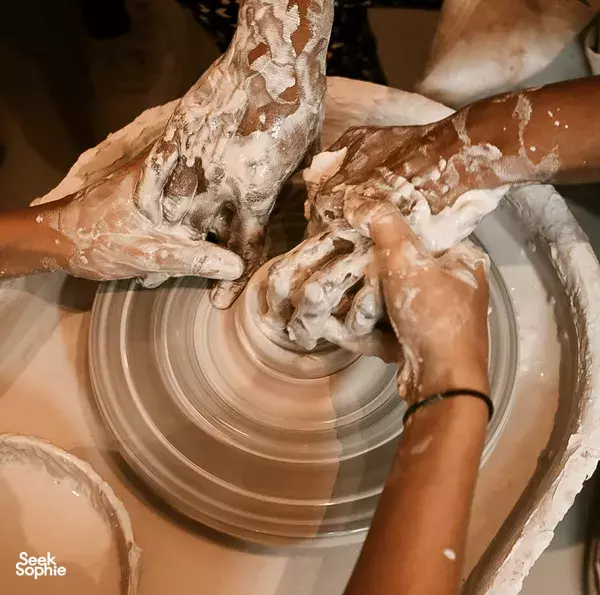
Answer #20: Yes! These hands-on workshops let kids explore their creativity while learning something new: Batik Painting – Children can create their own colorful batik art using traditional wax-resist dyeing techniques. Pottery Classes – Let kids shape, mold, and paint their own clay creations, encouraging artistic expression. Peranakan Tile Painting – A fun way to introduce kids to Singapore’s cultural heritage by decorating colorful Peranakan-style tiles. Chocolate-Making Workshops – Kids can roast cacao beans, grind them into chocolate, and mold their own handmade treats.
Question #21: What Are the Best Activities for Groups or Special Occasions?
Answer #21: Whether you're celebrating a birthday, anniversary, team event, or just looking for a unique way to gather with friends, Singapore offers plenty of experiences that go beyond the usual dinner or bar. From private dining with a personal chef to creating your own gin, these special activities will make any occasion unforgettable. Private Dining in a Chef’s Home – A More Intimate and Personal Feast Instead of booking a restaurant, why not have a gourmet meal in a private home? Singapore’s private dining scene is growing, with chefs curating unique meals in intimate settings. Whether you’re in the mood for a Mediterranean feast in a heritage shophouse, an omakase dinner in a stylish flat, or a farm-to-table seafood experience, these private dining spaces offer something far more personal than a typical restaurant. Some even pair your meal with stories behind the dishes, making it as much an experience as a meal. Watch a Private Rooftop Movie – A Cosy Celebration Under the Stars Instead of going to a crowded cinema, rent a private rooftop for a movie night with your friends or partner. Go to our fave rooftop spot where you can screen your favourite film under the night sky. With city lights twinkling in the background, comfy bean bags, and drinks on hand, it’s a relaxed yet special way to celebrate a birthday or anniversary in a way that feels like a scene from a movie itself. Dragon Boating with the Marina Bay Skyline – A High-Energy Team Adventure For those who love an active celebration, try dragon boating along the waterfront with Marina Bay Sands in the background. Whether it’s for a company event or just a fun day out, dragon boating is a high-energy, team-driven activity that’s all about working together and having a great time. Expert trainers will guide you through the paddling techniques, and you’ll end with a friendly race to see who’s got the best rhythm and teamwork. Craft Your Own Gin at Asia’s First Gin School – A Hands-On Way to Make a Singapore Sling The founder of Singapore’s first gin distillery went around the world, from farm-to-table distilleries in Portland to the legendary gin masters in the Black Forest, to learn the art of distillation. Here, you can follow in her footsteps by creating your own blend of gin, infused with local botanicals, and take home a bottle of your very own handcrafted spirit. It’s the perfect activity for cocktail lovers and those looking for a unique night out. Sail on a Private Yacht to Singapore’s Southern Islands – A Luxe Escape Instead of celebrating in a crowded bar, take your party onto the water. Charter a private yacht and sail to the Southern Islands, where you can enjoy pristine beaches, clear waters, and a peaceful escape from the city. Many yachts come with water activities like paddleboarding, or you can just relax with a barbecue on deck while watching the sunset. It’s one of the most stylish and memorable ways to celebrate a special occasion.
Question #22: Where Can I Book a Private or Unique Experience for a Birthday or Anniversary?
Answer #22: If you’re celebrating a special occasion and want something more personal or exclusive, consider these: Private Rooftop Movie Screening – Watch your favorite film under the stars with gourmet snacks and cozy seating. Sunset Yacht Dinner Cruise – Set sail on a luxurious tall ship, enjoy a fine dining experience, and watch the city lights twinkle from the water. Perfume-Making with a Scent Expert – Craft a custom fragrance together, inspired by your favorite scents and memories. Staycation at Singapore's only beachside Farm – Skip the usual hotels and opt for a cozy, character-filled private space for a romantic getaway. Go back in time to a simpler life and reconnect.
Question #23: Are There Any Unusual Date Ideas in Singapore?
Answer #23: If you're looking for a date idea that’s more exciting than just dinner, try these unique experiences: Forest Bathing for Two – Join a guided meditative walk in Singapore’s hidden green spaces, reconnecting with nature and each other. Floating Yoga at Sunset – Try a balancing yoga session on water, with Singapore’s skyline as your backdrop. DIY Cocktail-Making at a Hidden Bar – Instead of just drinking cocktails, learn how to craft your own signature drinks at a speakeasy. Tingkat Painting Together – Paint and personalize a mini Peranakan tingkat, a fun and meaningful keepsake of your time together. Mangrove Kayaking at Twilight – Paddle through Pulau Ubin’s serene mangroves at sunset, spotting nocturnal wildlife along the way.
Question #24: What Are the Best Team Bonding or Corporate Experiences?
Answer #24: For corporate teams or large groups, these activities promote teamwork in an exciting way: Private Yacht Outing – The most popular choice for teams, where colleagues can unwind with watersports, BBQ, and karaoke on board. Escape Room or Outdoor Puzzle Hunt – Solve clues together in an immersive team adventure, exploring Singapore’s historical sites in a fun, competitive way. Mangrove Kayaking at Pulau Ubin – Strengthen teamwork as you navigate through hidden waterways, spotting eagles, otters, and kingfishers. MasterChef Cooking Challenge – Teams compete in a fast-paced cooking showdown, creating and presenting a gourmet meal together. Tingkat Painting or Bearbrick Customization – Creative team-building activities where colleagues decorate traditional Peranakan tingkats or trendy collectible Bearbricks. WWII Bunker Exploration – Go off-grid into the jungle and explore massive underground WWII bunkers, taking on challenges that require problem-solving and teamwork. Beach Olympics on Sentosa – Compete in team-building beach games, from relay races to scavenger hunts on the sand.
Question #25: Are there any traditional crafts or skills I can try in Singapore?
Answer #25: Singapore’s rapid modernization has led to the decline of many traditional crafts, but a handful of artisans are working to preserve these skills. Instead of just buying mass-produced souvenirs, try your hand at these heritage crafts and experience the artistry that shaped Singapore’s cultural identity. 1. Batik Painting – The Art of Wax and Dye Instead of just buying a batik shirt, learn how to create your own intricate designs using an ancient technique. Batik is a centuries-old textile dyeing method where hot wax is applied to fabric to create patterns before it is dyed. This technique, originating from Java, has a strong influence on Peranakan culture in Singapore. Peranakan batik often features floral and phoenix motifs, which are traditionally worn on kebayas (embroidered blouses) by Peranakan women. At a batik workshop, you’ll apply wax using a canting (a small tool with a spout), layer colours through multiple dyeing processes, and create your own fabric art. This hands-on experience connects you with a heritage craft that is fast disappearing in modern Singapore. 2. Peranakan Beadwork – The Intricate Craft of Nyonya Slippers Instead of just admiring Peranakan shophouses, learn the delicate art of bead embroidery that has been passed down for generations. Peranakan beadwork is an incredibly intricate and time-consuming craft, traditionally used to make beaded slippers (kasut manek) for weddings and special occasions. This skill was highly valued among Nyonya (Peranakan women), and a pair of handmade slippers could take months to complete. At a workshop, you’ll work with tiny glass seed beads to create traditional floral or phoenix designs on silk. The process requires patience, but it gives you a deeper appreciation of how Peranakan culture blends Malay, Chinese, and European influences. 3. Chinese Calligraphy and Seal Engraving – Writing as an Art Form Instead of just taking photos of Chinese couplets in temples, learn the art of brushstroke calligraphy and seal carving. Chinese calligraphy is more than just handwriting—it’s an art form that expresses balance, movement, and precision. Calligraphers use special brushes and ink to create characters that follow thousands of years of tradition. In a workshop, you’ll practice using a soft brush to control ink flow and write your own Chinese characters. Some sessions also include seal engraving, where you carve your name or a meaningful character onto a traditional Chinese stamp. These seals were once used as personal signatures, and they make for a unique keepsake from Singapore. 4. Tingkat Painting – A Fusion of Art and Culture Instead of buying a plastic lunchbox, paint a traditional metal tingkat and learn about its cultural significance. The tingkat, or tiffin carrier, is a stackable metal lunchbox that was commonly used in Singaporean and Peranakan households before disposable containers became the norm. It symbolizes sharing and family togetherness, as it was used to carry home-cooked meals. At a tingkat painting workshop, you’ll decorate your own tiffin carrier with traditional floral or Peranakan-inspired motifs. The experience is both creative and cultural, as you’ll also hear stories of how different communities in Singapore used tingkats in their daily lives. 5. Traditional Pottery – A Rare Craft in Modern Singapore Instead of buying a ceramic souvenir, shape and fire your own piece of pottery using ancient techniques. Singapore was once home to kampong potteries, where artisans made clay pots for cooking and storage. Today, traditional pottery is rare, but a few ceramic studios are bringing it back through hand-thrown and wheel-thrown pottery workshops. In a pottery session, you’ll learn how to mold, shape, and glaze clay, creating your own handmade piece to take home. It’s a slow, meditative process that connects you with one of the oldest crafts in human history. 6. Leather Crafting – The Art of Handmade Accessories Instead of buying mass-produced leather goods, craft your own wallet or keychain using high-quality materials. Singapore is home to some of the best leather artisans in the region, with ties to luxury brands like Hermès. In a leather crafting workshop, you’ll learn how to cut, stitch, and finish your own leather product using traditional techniques. This craft is especially meaningful because leather items are typically mass-produced today, making handcrafted leather goods even more special. It’s a great way to create a one-of-a-kind, durable souvenir that carries the story of Singapore’s disappearing trades.
Question #26: Why do these Crafts still matter in Singapore?
Answer #26: Singapore’s transformation from a trading port to a modern metropolis meant that many traditional crafts disappeared as industries shifted towards technology and finance. However, the city still holds pockets of heritage where artisans are working hard to keep these skills alive. By trying these crafts, you’re not just making something by hand—you’re participating in the preservation of Singapore’s cultural history. Whether it’s Peranakan beadwork, batik painting, or tingkat decorating, each craft reflects the diverse influences that make Singapore unique.
Question #27: Are There Any Community-Based or Conservation-Focused Experiences in Singapore?
Answer #27: Singapore might be known for its modern skyline, but beyond the city lights, local communities and conservationists are working hard to preserve traditional ways of life and protect the environment. To us, so long as you’re supporting a small local business in Singapore—whether it be a hawker, a local playhouse, or an impact-driven experience—you’re making a difference in the lives of the local community. These are some of our favourite community and conservation-focused experiences. Walk with Former Gangsters – Uncover Singapore’s Hidden History Singapore is one of the safest countries in the world today, but just a few decades ago, secret societies controlled entire neighbourhoods. This walking tour is led by former gang members who have turned their lives around, offering a raw and personal insight into Singapore’s past. By joining this experience, you're supporting a social enterprise that helps at-risk youths while gaining a deeper understanding of the country’s transformation. Disappearing Kelongs – Visit Singapore’s Last Floating Fishing Villages Before Singapore became a global financial hub, fishing was one of its main industries. Kelongs—traditional wooden fishing platforms built over the sea—are now rapidly disappearing. On this trip, you’ll visit one of the last remaining kelongs, meet the fishermen who still practice this way of life, and learn how traditional fishing techniques compare with modern aquaculture. By booking this experience, you’re directly supporting one of Singapore’s last fishing families. Tingkat Painting with a Peranakan Artist – Preserving Cultural Heritage Peranakan culture is an important part of Singapore’s heritage, but many traditional crafts are disappearing. At this workshop, you'll paint a mini Peranakan tingkat (tiffin carrier) while learning about the history and symbolism behind the designs from a local Nyonya artist. This is more than just a painting class—it’s an opportunity to help keep Peranakan craftsmanship alive and support local artists who are dedicated to preserving their culture. Beach Cleanup with Marine Experts – Make a Difference for Singapore’s Shores Singapore’s beaches may look pristine, but hidden among the sand and mangroves are microplastics and marine debris that threaten local wildlife. Instead of just learning about sustainability, get hands-on with a guided beach cleanup, where you’ll be led by a marine expert who shares how plastic pollution affects ecosystems. You’ll learn to identify different types of waste and their impact, making this a deeply engaging experience that lets you take real action to protect Singapore’s coastlines. Rooftop Bee Farm – Rescuing Over One Million Bees a Year Singapore has limited green spaces, but this rooftop bee farm has created a sanctuary for pollinators in the middle of the city. Every year, over one million bees are rescued from extermination and relocated to this farm, where they play a crucial role in urban biodiversity. Here, you’ll learn about Singapore’s unique approach to conservation, see a working beehive up close, and taste fresh honey straight from the source. Supporting this farm directly contributes to bee conservation and sustainable urban farming.
Question #28: How Can I Explore Singapore in a More Eco-Friendly Way?
Answer #28: If you're looking for low-impact ways to explore Singapore, these experiences allow you to connect with nature and wildlife responsibly. Kayaking Through Mangroves – A Zero-Emission Way to See Wildlife Instead of taking a motorised boat tour, paddle through Pulau Ubin’s mangroves, where you'll spot otters, kingfishers, herons, and even wild boars. Mangroves play a critical role in absorbing carbon and protecting coastlines, and kayaking allows you to explore these ecosystems without disturbing the wildlife. This experience is led by local nature guides who are passionate about conservation, so you’ll leave with a deeper understanding of Singapore’s fragile ecosystems. Cycling the Rail Corridor – Explore Nature on an Abandoned Railway Singapore’s Rail Corridor is a 24km-long green trail that follows the route of an old railway line that once connected Singapore to Malaysia. Today, it’s a lush, car-free cycling route where you can ride through forests, cross historic bridges, and pass hidden WWII bunkers. Unlike driving or taking public transport, cycling leaves no carbon footprint, making it a great way to explore Singapore’s green spaces sustainably. Intertidal Walk – Discover Marine Life Without a Boat During low tide, Singapore’s shores reveal hidden tide pools teeming with marine life, including sea stars, anemones, horseshoe crabs, and even octopuses. Led by marine biologists, this guided walk lets you observe wildlife without disrupting their habitat, making it one of the most responsible ways to experience Singapore’s coastal biodiversity.
Question #29: Where Can I Visit Local Farms or Learn About Urban Sustainability Projects?
Answer #29: Singapore is home to small-scale farms and urban sustainability initiatives that are shaping the future of food and conservation. Rooftop Bee Farm – Rescuing Over 1 Million Bees a Year Most people don’t think of Singapore as a place for beekeeping, but this rooftop farm has rescued over 1 million bees from extermination each year. Instead of treating bees as pests, the farm relocates them and provides a safe environment for them to pollinate and produce honey. Here, you’ll learn about Singapore’s efforts in biodiversity conservation, see a working hive up close, and taste raw honey straight from the source. Supporting this farm directly contributes to the protection of Singapore’s bee population. Hydroponic Vertical Farms – The Future of Singapore’s Food Security With limited land for agriculture, Singapore has embraced high-tech urban farming methods like hydroponics and vertical farming. Visiting a hydroponic farm gives you a firsthand look at how food can be grown without soil, using significantly less water than traditional farming. These farms are crucial in Singapore’s goal to produce 30% of its nutritional needs locally by 2030, making them a fascinating example of sustainable innovation.
Question #30: Where can I find curated, non-touristy experiences in Singapore?
Answer #30: You can find and book unique things to do in Singapore on Seek Sophie ! Singapore is our home, and we love finding experiences that even locals don't know about. We've personally tried and handpicked our favourites, from visiting a rooftop bee sanctuary to making kueh with a food historian and hearing Singapore's gritty past from an ex-gangster. Every experience on Seek Sophie is chosen for its quality and passionate local hosts. No tourist traps here!
Question #31: How does Seek Sophie choose its Singapore experiences?
Answer #31: Singapore is our hometown, so we're constantly exploring and meeting interesting local hosts! We personally try and handpick the experiences on Seek Sophie, looking for knowledgeable, passionate hosts who are doing something really special in Singapore. We especially love experiences that help protect nature, keep disappearing traditions alive or support small local businesses. These aren't just activities that look good online. They're experiences we'd genuinely recommend to our own friends and family. Fun fact: we actually gift all our friends Seek Sophie experiences for their birthdays/Christmas and we do the experiences ourselves most weekends :)
Question #32: What are the best things to do in Singapore for locals?
Answer #32: Even if you've lived in Singapore your whole life, there's loads to discover! We love experiences that let you meet fascinating people and try something completely different. On Seek Sophie , you can learn watchmaking from a master watchmaker, visit rescued bees at an urban farm, make traditional kueh or go kayaking through mangroves. We've personally tried and handpicked our favourites, so these are the experiences we'd recommend when friends ask us for something new to do. Here are our top hidden gems in Singapore ! You can also check out our handpicked date ideas, and birthday ideas too!
Question #33: Where can I find meaningful experiences in Singapore that support locals?
Answer #33: We started Seek Sophie because we wanted to find cool experiences, that also benefits local communities and our planet. Every experience is handpicked and tested by our team! That's why our Singapore experiences are incredibly heartfelt - not only do you get to meet the most fascinating and inspiring people in Singapore, your experience also helps support their work. Your booking directly helps preserve disappearing traditions, support small businesses and protect nature in Singapore! On a Seek Sophie experience, you can learn traditional recipes from local food historians, hear firsthand stories from people who've lived through Singapore's changing history, or meet conservationists protecting urban wildlife.
filters

Singapore

Our hometown and the most unexpected city in nature. A lot of heart if you know where to look!
You're invited to Curiosity Festival!
28 Nov 2026
LIMITED TIME EVENT
LIMITED TIME EVENT

You're invited to Curiosity Festival!

A playground for the endlessly curious! Try something new, and leave questioning everything.
book now
Book your Singapore
Handpicked experiences, all vetted by us.
All
All
Adventure
Adventure
Creative Workshops
Creative Workshops
Culture
Culture
Do Good
Do Good
Fitness
Fitness
Food & Drink
Food & Drink
Games
Games
Hiking
Hiking
Stays only
Stays only
Water Activities
Water Activities
Wellness
Wellness
Wildlife
Wildlife
superhost
5.0 (135)
|
3.5 hrs
|Up to 24 guests
“Exceptional workshop, amazing from start to finish”
superhost
4.9 (295)
|
1.5 hrs
|Up to 700 guests
“My wife and I loved her hospitality”
Instant book
superhost
5.0 (545)
|
1.5 hrs
|Up to 16 guests
“One of the best workshops that I and my kids experienced.”
Instant book
superhost
4.7 (299)
|
1.5 hrs
|Up to 300 guests
“The scent experts really know their stuff”
Instant book
5.0 (25)
|
4 hrs
|Up to 6 guests
“Loved the very handson experience”
Instant book
superhost
4.8 (56)
|
4 hrs
|Up to 31 guests
“BBQ was great more than enough food and very tasty”
Private trip
Instant book
5.0 (63)
|
1.5 hrs
|Up to 6 guests
“Rodent skeleton workshop was amazing fun we had a blast”
Instant book
superhost
4.8 (473)
|
2 hrs
|Up to 10 guests
“Very patient and kind with the 7 year child”
Instant book
5.0 (14)
|
1 hr
|Up to 8 guests
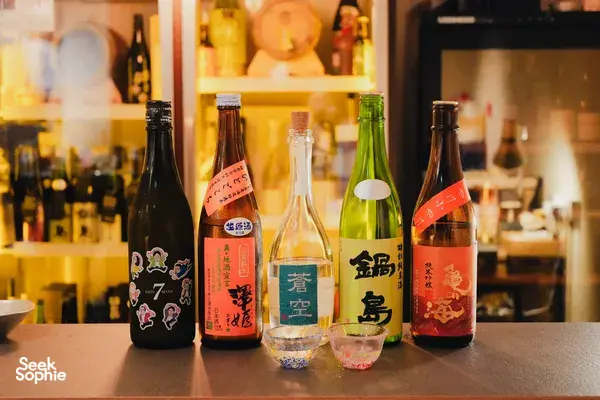
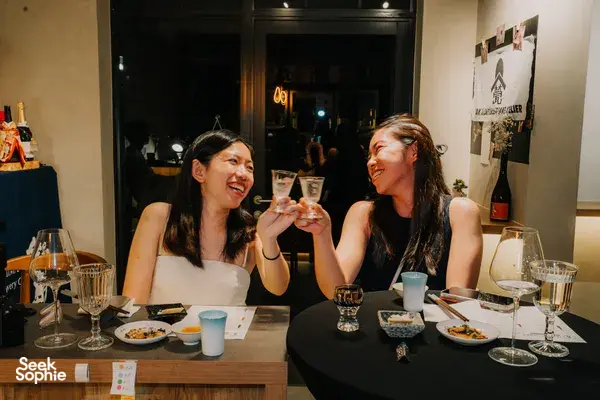
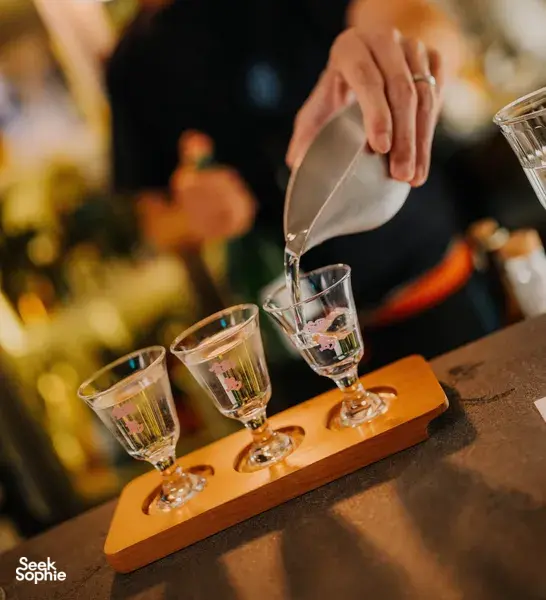
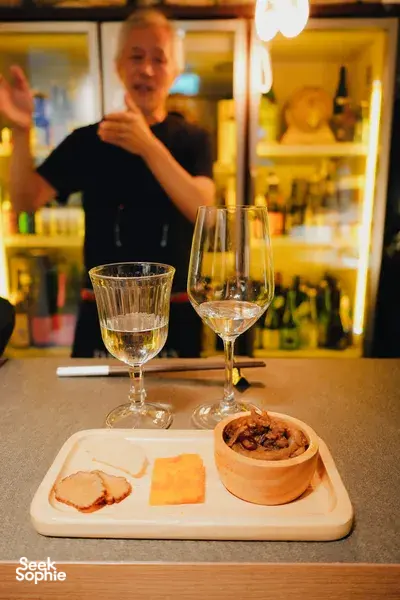
“Nice explanation about the sake process snacks are good”
Instant book
superhost
5.0 (221)
|
3 hrs
|Up to 18 guests
“A truly meaningful souvenir of my time in Singapore”
superhost
4.8 (154)
|
2 hrs
|Up to 4 guests
“Great setting on a rooftop and very patient”
Instant book
superhost
5.0 (60)
|
2.5 hrs
|Up to 8 guests
“Honestly can't believe I made this baguette myself”
Instant book

Have a burning question?

No sweat, we’ve got you covered.

How does Seek Sophie choose its Singapore experiences?

...see more

What are the best things to do in Singapore for locals?

...see more

Where can I find meaningful experiences in Singapore that support locals?

...see more
view all questions

Helpful Questions

What are the most unique things to do in Singapore?

There are so many! Here are some of our faves which will change how you see Singapore.

1. Visit Singapore’s Last Kampong – A Time Capsule of Old Singapore

Instead of just visiting the National Museum to learn about Singapore’s history, actually step into it!

Singapore went from a fishing village to a global financial hub in just one generation. But Kampong Lorong Buangkok is the last remaining traditional village, where families still live in wooden houses with tin roofs. Walking through the kampong is like stepping into the past—kids play in open fields, chickens roam freely, and neighbours chat outside their homes. It’s a glimpse of a Singapore that once was. Since it’s privately owned, it’s best visited with a guide who can introduce you to the residents.

2. Explore Disappearing Kelongs – Floating Fishing Villages from the Past

Instead of just eating seafood at a fancy restaurant, visit a traditional kelong and see how it’s caught! 

Before modern fish farms, Singapore’s fishermen lived in kelongs—traditional wooden houses built on stilts over the sea. These floating villages are disappearing, but you can still visit one on a boat trip. See how fishermen use age-old techniques to catch fish, and contrast it with Singapore’s modern fish farms. It’s a rare chance to see Singapore’s past and future side by side.

3. Walk with Ex-Offenders – A Gritty Look at Singapore’s Hidden Past

Instead of hearing a polished version of history, experience the real, raw stories.

Singapore is known for being safe and orderly, but in the past, gangs controlled entire neighbourhoods. On this tour, a former gang member shares real-life stories of secret societies, crime, and how he turned his life around. It’s raw, eye-opening, and gives you a deeper understanding of how Singapore became the country it is today.

4. Haw Par Villa – A Quirky, Creepy Theme Park from the 1930s

Instead of Universal Studios, visit a theme park built around ancient Chinese superstitions.! 

Haw Par Villa is a one-of-a-kind cultural relic—a bizarre outdoor theme park that depicts traditional Chinese values in terrifyingly graphic ways. The “10 Courts of Hell” diorama shows what happens to people who misbehave (spoiler: it’s not pretty). It’s a weird, fun, and totally unexpected way to learn about traditional Chinese folklore.

5. Uncover Singapore’s Supernatural Side on a Ghost Tour

Instead of just walking through heritage districts, hear the spooky stories lurking behind them!

Singapore has a deep-rooted belief in spirits, and this ghost tour takes you to some of the most haunted spots in the city. You’ll hear eerie stories about restless spirits, urban legends, and the supernatural beliefs that still shape Singapore’s culture today.

What are the best experiences that aren’t touristy?

To skip the crowds and experience Singapore differently, try this! 

✅ Instead of Marina Bay Sands SkyPark → Secret Rooftop at Funan Mall (Free, stunning skyline views without the price tag)

Most people head to Marina Bay Sands for panoramic views, but did you know you can get an amazing skyline view for free? Funan Mall’s hidden rooftop garden offers an incredible perspective of Marina Bay Sands, the Supreme Court, and the Singapore Flyer—without the crowds. Take the lift at Lobby B, and you’ll find a peaceful space perfect for photos, a quiet break, or even a picnic.

✅ Instead of touristy Sentosa → enter Sentosa’s Hidden Rainforest (Spot rare wildlife with a naturalist guide)

Sentosa is beautiful but artificial. If you want to see something real, head into Sentosa’s hidden rainforest. Most visitors don’t realise that Sentosa has patches of untouched jungle, home to rare wildlife like colugos (flying lemurs), pangolins, and exotic birds. A guided walk will take you deep into the forest, where you’ll experience the wild side of Singapore that most people miss.

✅ Instead of Chinatown → Explore Joo Chiat & Katong (Colourful shophouses, rich Peranakan heritage, and amazing local food)

Chinatown is always buzzing with tourists, but for a deeper dive into Singapore’s heritage, Joo Chiat and Katong are the places to go. These neighbourhoods are filled with beautifully preserved Peranakan shophouses, quirky boutique stores, and some of the best local eats in Singapore. Try traditional Nonya kueh, pop into a century-old coffee shop, or just wander through the colourful streets soaking in the old-meets-new charm.

✅ Instead of a River Cruise → Kayak in Mangroves (A quiet, immersive way to explore Singapore’s waters)

Singapore’s river cruises show you the city skyline, but if you want a more intimate experience on the water, go mangrove kayaking. Paddle through hidden waterways in Pulau Ubin or Khatib Bongsu, where you’ll be surrounded by lush mangroves, spot otters, and maybe even an eagle flying overhead. It’s peaceful, adventurous, and shows a completely different side of Singapore—without the boat engine noise.

✅ Instead of Clarke Quay Bars → Go on a Speakeasy Bar Hunt (Uncover hidden cocktail gems with secret entrances)

Clarke Quay is fun but predictable. If you want a more unique night out, hunt down Singapore’s hidden speakeasies. These bars are tucked away behind unmarked doors, disguised as tailor shops, or even hidden inside old Chinese medicine halls. Whether it’s a cocktail bar with a 1920s Shanghai vibe or a jazz lounge behind a fridge door, discovering these secret spots is half the fun.

✅ Instead of the Singapore Zoo → Sungei Buloh Wetland Reserve (See wildlife in their natural habitat, not in enclosures)

The Singapore Zoo is world-famous, but if you want to see animals in the wild, head to Sungei Buloh Wetland Reserve. This sprawling mangrove forest is home to wild crocodiles, giant monitor lizards, otters, and migratory birds. Walk along raised boardwalks and keep an eye out for a massive estuarine crocodile sunbathing in the mud—it’s Singapore’s own version of a wildlife safari, and our favourite spot!

What’s worth doing in Singapore if I’ve already been before?

If you’ve visited Singapore before and feel like you’ve ticked off all the major sights, there’s still a lot more to uncover. Beyond the futuristic skyline and famous attractions, Singapore has an incredible amount of heart—driven by passionate locals who are dedicated to preserving its nature, wildlife, and disappearing traditions. 

Whether it’s learning from artisans keeping old trades alive, exploring untamed pockets of wilderness, or stepping into forgotten history, these experiences will show you a side of Singapore that most visitors never get to see!


Visit a Rooftop Bee Farm and Taste Fresh Honey – A hidden green oasis in the city

Most people don’t think of Singapore as a place for beekeeping, but high above the city, a rooftop bee sanctuary is home to rescued bees that would otherwise have been exterminated. Learn about the crucial role bees play in our ecosystem, taste different varieties of raw honey, and see how urban farming is thriving in unexpected places. It’s a peaceful, eye-opening experience in the middle of the city.

Explore Pulau Ubin – Singapore’s Last Wild Island

Pulau Ubin feels like stepping into another world. There are no skyscrapers, no highways—just dirt paths, mangrove forests, and a slow village pace that’s rare in modern Singapore. Rent a bike and cycle past wooden kampong houses, kayak through tunnels of mangrove trees, and visit the Chek Jawa wetlands, where you can see horseshoe crabs and other rare marine life. If you think you know Singapore, Pulau Ubin will make you rethink everything.

Hike to a Secret WW2 Bunker – A Forgotten Chapter of History

Singapore’s World War II history is well-documented, but some of its most fascinating remnants are hidden deep in the jungle. Scattered across the island are abandoned underground bunkers that once stored ammunition and housed soldiers. Unlike Fort Canning, these bunkers are completely off-the-grid, requiring off-trail hiking, ducking through narrow tunnels, and crawling into underground rooms. If you’re looking for an adventure with real historical significance, this is one of the most intriguing places to explore.

Sightseeing Through Puzzles – Explore Singapore Like a Detective

If you’ve walked through Chinatown, Little India, or Marina Bay Sands before, you probably think you’ve seen everything these areas have to offer. But instead of just strolling through the streets, try exploring them through an interactive puzzle hunt. These games challenge you to solve mysteries while uncovering hidden details about Singapore’s history and culture. Whether you’re cracking a code at a temple, following a trail of clues through back alleys, or discovering a forgotten legend, this turns sightseeing into an adventure.

Learn a Disappearing Trade from a Traditional Baker

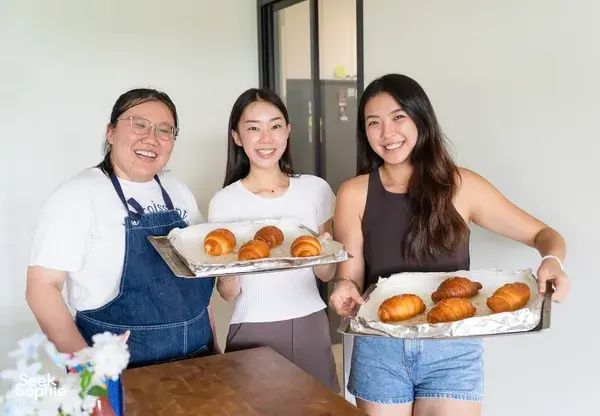
As Singapore modernises, many traditional trades are vanishing. One of them is the art of making old-school pastries by hand, using techniques passed down for generations. At this workshop, you’ll not only learn how to make traditional pastries, but you’ll also hear stories about how these treats were once an essential part of weddings, festivals, and daily life. It’s a rare opportunity to experience a piece of Singapore’s past before it disappears entirely.

Cycle Through Little-Known Neighbourhoods

Most visitors explore Singapore by MRT or taxi, but one of the best ways to see the city is on two wheels. Join a cycling tour through lesser-known neighbourhoods like Little India, Kampong Glam, and Jalan Besar, where you’ll find colourful street art, hidden alleys, and family-run eateries that have been around for generations. A guide will point out details you’d never notice on your own, from secret WWII bomb shelters to the backstories of old shophouses.

Even if you’ve been to Singapore before, these experiences will give you a completely new appreciation for the city’s hidden side.

Are there any off-the-beaten-path places in Singapore?

Yes! Despite Singapore’s reputation for being ultra-modern, there are still hidden pockets of history, nature, and forgotten places that most locals don’t even know about.

Singapore’s Last Kampong (Village) – A Window into the Past

  • Most people think Singapore is all skyscrapers, but in a tiny corner of the island, Kampong Lorong Buangkok still exists. This is Singapore’s last remaining traditional village, where you’ll find wooden houses, chickens roaming freely, and a glimpse of life before the city became a global financial hub.
  • Unlike heritage museums, this is a living piece of history—but it may not be around much longer as the government has plans to redevelop the land.

Marsiling WW2 Bunkers – Secret Underground Tunnels

  • Deep in a forest near the Malaysian border lie abandoned World War II bunkers built by the British. These vast underground tunnels stored ammunition during the war but have since been forgotten, swallowed by the jungle.
  • Exploring these bunkers feels like stepping into a real-life Indiana Jones adventure, complete with secret passageways and dark, moss-covered walls.

Disappearing Kelongs – Floating Fishing Villages That Time Forgot

  • Kelongs are traditional stilted fishing villages built over water, once common across Southeast Asia.
  • While they were once a vital part of Singapore’s economy, only a handful remain today as the city modernizes. Visiting a kelong lets you see how old and new Singapore exist side by side, with traditional fish farms floating next to high-tech aquaculture facilities.

Sentosa’s Hidden Fort – A Forgotten Military Site

  • Sentosa is known for its resorts, but hidden in the jungle lies Fort Serapong, an abandoned British military fortress from the 1880s. It’s like Singapore’s Angkor Wat!
  • Unlike Fort Siloso (which is well-preserved for tourists), this one is completely overgrown, giving it an eerie, post-apocalyptic feel. You’ll need a guide to find it—part of the adventure!

Where Can I Go Hiking in Singapore?

Although Singapore is a city-state, it has surprisingly lush and diverse hiking trails, from hidden jungles to old railway tracks.


1. Rail Corridor & Clementi Forest – A Hike Through Singapore’s Abandoned Railway

🚶 Why it's special: This trail follows an abandoned railway line that once connected Singapore to Malaysia. Since the tracks were removed in 2011, nature has taken over, creating a rare urban wilderness.

  • Start from Bukit Timah Railway Station, where you’ll see an old station platform and railway bridge.
  • Walk through the Clementi Forest section, a misty, overgrown jungle that feels nothing like modern Singapore.
  • End at the famous green railway tunnel, one of the most photogenic spots in Singapore.


2. MacRitchie Reservoir & TreeTop Walk – Singapore’s Most Famous Jungle Hike

🌳 Why it's special: This is the oldest nature reserve in Singapore, featuring a 250m-long suspension bridge that puts you above the rainforest canopy.

  • Spot long-tailed macaques, monitor lizards, and flying lemurs along the way.
  • Walk around the serene boardwalk along the reservoir, where you might see turtles and fish.
  • The full hike is about 10km but can be shortened with alternative routes.


3. Bukit Timah Nature Reserve – Singapore’s Highest Peak

🏔 Why it's special: Bukit Timah Hill is the highest natural point in Singapore (163m), surrounded by one of the world’s most diverse rainforests.

  • The trail is steep and challenging, making it a great workout.
  • You’ll pass by huge dipterocarp trees that are hundreds of years old.
  • Spot rare wildlife like pangolins, colugos (flying lemurs), and Malayan blue coral snakes.


4. Sungei Buloh Wetland Reserve – The Wildest Side of Singapore

🦅 Why it's special: This mangrove forest and wetland reserve is a birdwatcher’s paradise and home to wild crocodiles.

  • Walk along wooden boardwalks through the mangroves, where you’ll see giant monitor lizards and otters.
  • If you’re lucky, you’ll spot a wild estuarine crocodile resting in the mud.
  • Best visited at sunrise or sunset when the wildlife is most active.

What Are the Best Kayaking or Water-Based Experiences?

Singapore’s waters aren’t just for sightseeing—they’re perfect for kayaking, fishing, foiling, and yachting, offering a completely different perspective of the city. Whether you're paddling through hidden mangroves, flying over the waves on an e-foil, or heading out to sea for a fishing trip, these experiences show a wilder side of Singapore.

Mangrove Kayaking at Pulau Ubin – Paddle Through an Untouched Jungle

Pulau Ubin is one of Singapore’s last natural islands, with lush mangroves and rich biodiversity. Kayak through narrow mangrove tunnels, surrounded by towering trees and wildlife. Spot kingfishers, eagles, otters, and even horseshoe crabs as your guide shares stories about the island’s history and conservation efforts.

Kayak Fishing – Catch & Cook Your Own Seafood

Kayak fishing is a completely different way to fish, letting you explore Singapore’s waters while catching your own meal. Learn how to fish using a traditional handline or fishing rod, and catch species like barramundi, groupers, and snapper. Some experiences even let you grill your catch on the spot. It’s a mix of adventure, relaxation, and sustainability—no motors, just paddles.

Night Kayaking – Singapore’s Waters Under the Stars

A rare way to experience Singapore’s coastline in total silence, without the usual boat traffic. Paddle under the moonlight, with city lights twinkling in the distance, and in some areas, you might spot bioluminescent plankton lighting up the water. Some routes take you through mangroves at night, where you can see nocturnal wildlife.

Stand-Up Paddleboarding at Sentosa – A Fun, Relaxing Water Adventure

If kayaking feels too slow and surfing too extreme, stand-up paddleboarding is the perfect middle ground. It’s easy to learn, even for beginners, and lets you explore Singapore’s clearer waters around Sentosa while getting a light workout. The best sessions are at sunset when the sky turns golden.

E-Foiling – Fly Above the Water

E-foiling is one of the coolest new water sports in Singapore, letting you glide above the waves on an electric-powered surfboard. It’s a thrilling yet accessible experience—no wind or waves required. Whether you're a complete beginner or an experienced surfer, this is the closest thing to flying over water.

Open Sea Fishing – A True Offshore Adventure

For those who want a real fishing expedition, head out to Singapore’s open waters on a private fishing charter. These trips take you far beyond the coastline, where you can target larger fish like cobia, snappers, and even trevallies. Unlike shore fishing, this is a deep-sea adventure that combines the thrill of the open ocean with the satisfaction of catching your own seafood.

Private Yacht Trip – Island Hop in Style

A yacht trip is one of the best ways to explore Singapore’s surrounding islands. Sail out to Lazarus Island or Singapore’s lesser-known Southern Islands, where you can swim, snorkel, paddleboard, or simply relax with a barbecue on deck. It’s the perfect mix of adventure and luxury, with plenty of water activities for groups and families.

What Islands Can I Visit Near Singapore?

Singapore is actually made up of over 60 islands, though most people only visit Sentosa. If you want a more untouched island adventure, try these:

1. Pulau Ubin – Singapore’s Last Kampong Island

🚴 Why it’s special: Pulau Ubin is one of the last places in Singapore where you can experience kampong (village) life.

  • Rent a bike and cycle past wooden houses, rubber plantations, and abandoned quarries.
  • Kayak through mangrove forests filled with wildlife, including otters and kingfishers.
  • Visit Chek Jawa Wetlands, where you can see horseshoe crabs, mudskippers, and sea stars during low tide.
  • Unlike Sentosa, Pulau Ubin feels like a step back in time, showing what Singapore was like before urbanization.

2. St John/Lazarus Island – The Closest Thing to a Tropical Paradise

🏝 Why it’s special: Lazarus Island has crystal-clear water and a long, quiet beach, perfect for a day of relaxation.

  • A quick 15-minute boat ride from Marina South Pier.
  • No crowds, no buildings—just sand, sea, and nature.
  • Pack a picnic and spend the day swimming or sunbathing on one of Singapore’s best-kept secrets.

3. Kusu Island – A Sacred and Serene Escape

🐢 Why it’s special: Kusu Island is a mix of spiritual heritage and natural beauty, known for its legendary tortoises and sacred sites.

  • Visit the famous Kusu Island temple, dedicated to the Chinese deities Tua Pek Kong and Guan Yin.
  • Climb 152 steps up a hill to visit the Malay keramat (shrine), which is believed to bring good luck.
  • Spot hundreds of tortoises in the island’s turtle sanctuary.
  • Enjoy a small but peaceful beach and picnic areas for a quiet retreat.

4. Sisters’ Islands – A Marine Biodiversity Haven

🌊 Why it’s special: Sisters’ Islands are home to Singapore’s first Marine Park, where you can see vibrant coral reefs and marine life.

  • Snorkel or dive in protected waters teeming with clownfish, sea anemones, and reef sharks.
  • Go on an intertidal walk during low tide, where marine guides help you spot rare sea creatures like giant clams and sea cucumbers.
  • The islands are uninhabited and accessible only by boat, making them one of Singapore’s most pristine nature getaways.

Where Can I See Wildlife in Singapore?

Singapore’s wildlife isn’t just in the zoo—it’s thriving in wetlands, rainforests, and even the shores. Whether you’re looking for crocodiles, nocturnal creatures, or marine life, these spots will show you the city’s wild side!

1. Sungei Buloh Wetland Reserve – Crocodiles & Migratory Birds

Why it’s special: This wetland reserve is home to wild estuarine crocodiles, one of the largest predators in Southeast Asia.

  • Spot monitor lizards, otters, herons, and kingfishers as you walk along the raised boardwalks.
  • A must-visit for birdwatchers, especially from September to March, when migratory birds like sandpipers and plovers stop by.
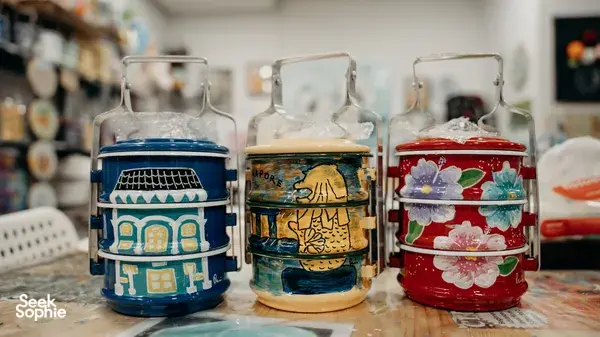
  • If you’re lucky, you might see a massive crocodile sunbathing near the water’s edge.

2. Sentosa’s Rainforest – Nocturnal Wildlife Walk

Why it’s special: Sentosa isn’t just theme parks—it has a hidden rainforest filled with night creatures.

  • Spot colugos (flying lemurs), snakes, owls, and rare insects as they emerge after sunset.
  • A naturalist guide helps you notice creatures you’d never see on your own, like bioluminescent fungi and camouflaged tree frogs.
  • Listen to the calls of nocturnal animals as you explore one of Singapore’s last coastal forests.

3. Intertidal Walk – Discover Marine Life Up Close

Why it’s special: During low tide, Singapore’s shores transform into hidden marine ecosystems, revealing a world of creatures you’d never see during the day.

  • Explore the intertidal zones of Changi Beach, Sentosa, or Pulau Ubin, where the tide recedes to expose fascinating sea life.
  • Spot sea stars, horseshoe crabs, sea cucumbers, anemones, and even baby sharks in shallow pools.
  • A marine biologist guide helps you identify rare species and understand the delicate balance of these coastal habitats.
  • This is Singapore’s closest experience to a marine safari, making it a great adventure for wildlife lovers and families.

What Are Some Hidden Nature Spots in Singapore?

Despite its urban landscape, Singapore has hidden nature spots that feel completely removed from the city. We bet you most locals wouldn’t have been to these hidden spots! 

1. Kranji Marshes – A Hidden Wetland Oasis

🌾 Why it’s special: One of Singapore’s least visited nature reserves, home to diverse birdlife and marshland ecosystems.

  • A quiet alternative to Sungei Buloh, with lookout towers offering panoramic views of the wetlands.
  • Spot rare birds like the purple swamphen, white-bellied sea eagle, and pied fantail.
  • Walk through lush grasslands and freshwater marshes, where butterflies and dragonflies thrive.
  • Perfect for nature lovers, birdwatchers, and those looking for a peaceful escape.

2. Coney Island – Singapore’s Wildest Coastal Park

🚴 Why it’s special: A rugged island with cycling trails, wild beaches, and forests that feel more like Europe than Southeast Asia.

  • Rent a bike and explore narrow dirt trails lined with tall Casuarina trees.
  • Discover hidden beaches with driftwood-strewn shores, where you might spot wild otters.
  • Keep an eye out for migratory birds and rare butterflies.
  • Unlike Sentosa, this island remains largely undeveloped, making it a true nature getaway.

3. Bukit Brown – A Forgotten Forest with Heritage and Wildlife

⚰️ Why it’s special: Bukit Brown is one of the largest Chinese cemeteries outside of China, but it has also become a thriving wildlife haven.

  • The overgrown cemetery has dense secondary forest, providing a sanctuary for birds, monitor lizards, and wild boars.
  • It’s home to century-old gravestones, some belonging to Singapore’s early pioneers.
  • The cemetery is not officially a park, so parts of it feel completely untouched.
  • Birdwatchers flock here to see species like the Asian fairy-bluebird and greater racket-tailed drongo.
  • A visit here is like stepping into a forgotten chapter of Singapore’s history, hidden within nature.

Where Can I Learn About Singapore’s Culture in a Hands-On Way?

Instead of just visiting museums, try these interactive cultural experiences where you can make, taste, and experience Singapore’s heritage firsthand.

1. Batik Painting – Learn the Art of Wax-Resist Dyeing

Batik painting is a traditional Southeast Asian art form where hot wax is used to create intricate patterns before dyeing fabric.

Singapore’s batik style blends Malay, Javanese, and Peranakan influences, resulting in unique designs. In a workshop, you’ll use a canting (a small tool for applying wax), layer colors through multiple dyeing processes, and create your own batik masterpiece to take home. This hands-on craft offers insight into a disappearing artistic tradition.

2. Peranakan Beadwork – Stitch Intricate Beaded Designs

Peranakan beadwork was once a highly valued skill among Nyonya women, who would painstakingly stitch glass beads onto silk to create decorative slippers, tablecloths, and wedding accessories.

At a beadwork workshop, you’ll learn the traditional stitching technique used to make Peranakan beaded shoes. Each design can take weeks or even months to complete, making this a slow but meaningful way to appreciate Peranakan craftsmanship.

3. Tingkat Painting – Decorate a Traditional Tiffin Carrier

The tingkat, or tiffin carrier, was once an essential part of daily life in Singapore, used to carry home-cooked meals. Today, it symbolizes heritage and sustainability.

In a tingkat painting workshop, you’ll get to decorate your own tiffin carrier with traditional motifs while learning about its cultural significance from a local Nyonya artist. 

4. Traditional Cooking Classes – Learn to Cook Like a Local

Singapore’s diverse food scene reflects its mix of Chinese, Malay, Indian, and Peranakan influences. Instead of just eating, why not learn to cook some of Singapore’s most iconic dishes? This is one of the most immersive ways to experience Singapore’s culinary culture!

Are There Any Cool Heritage Neighbourhoods to Explore Beyond Chinatown and Little India?

Yes, Singapore has several lesser-known but equally fascinating neighbourhoods with rich cultural history, heritage architecture, and unique local businesses.

1. Joo Chiat & Katong – Peranakan Culture and Colourful Shophouses

Joo Chiat and Katong are home to some of Singapore’s most beautifully preserved Peranakan shophouses, painted in pastel colors with intricate floral motifs.

This area is known for its strong Peranakan influence, reflected in its food, architecture, and traditions. Wander along East Coast Road and visit heritage bakeries, Peranakan tile shops, and old-school coffee houses.

2. Tiong Bahru – Singapore’s Oldest Public Housing Estate with a Hipster Twist

Tiong Bahru is one of Singapore’s oldest public housing estates, built in the 1930s in an Art Deco style.

It has since transformed into a trendy enclave filled with indie bookstores, heritage cafes, and small galleries. While exploring the area, stop by the Tiong Bahru Market for some of the best hawker food in the city.

3. Geylang – More Than Just a Red-Light District

Geylang is best known for its nightlife, but it’s also one of the most historically rich areas in Singapore.

Here, you’ll find century-old temples, clan houses, and traditional shophouses alongside some of the best late-night hawker food. Visit the Geylang Serai Market, a hub of Malay culture, where you can try nasi padang and buy traditional fabrics.

4. Everton Park – A Hidden Enclave of Heritage and Creativity

Everton Park is a very small but charming neighborhood with beautifully restored shophouses, indie cafes, and hidden murals that tell the stories of Singapore’s past.

Unlike Chinatown, which is packed with tourists, Everton Park is quieter and feels more like an authentic slice of old Singapore. Keep an eye out for street art that depicts daily life from the 1950s and 60s.

Can I Visit Local Workshops or Family-Run Businesses in Singapore?

Yes, and visiting these small businesses is one of the best ways to experience Singapore’s disappearing trades and artisanal heritage.

1. Traditional Pastry Shops – See How Old-School Chinese Treats Are Made

Many traditional bakeries are closing down as younger generations move away from the trade, but a few still preserve their family recipes.

Visit a traditional pastry shop where bakers make mooncakes, ang ku kueh (red tortoise cakes), and kueh lapis (layered cake) by hand. Some workshops allow you to try making these pastries yourself.

2. Leather Crafting Studios – Learn the Art of Handmade Leather Goods

Singapore has a small but dedicated community of leather artisans who craft wallets, keychains, and bags using traditional techniques.

At a workshop, you’ll learn how to cut, stitch, and finish leather pieces, experiencing a craft that is becoming increasingly rare in modern Singapore.

3. Peranakan Tile Workshops – Discover the Art of Hand-Painted Tiles

Peranakan tiles, with their vibrant floral and geometric designs, were once commonly used to decorate shophouses and temples.

Today, you can visit workshops where artisans still produce hand-painted Peranakan tiles, and even try painting your own.

What Makes Peranakan Culture So Unique in Singapore?

Peranakan culture is one of the most distinctive aspects of Singapore’s heritage, blending Chinese, Malay, and Indonesian influences into a rich and vibrant identity. The Peranakans, also known as Straits Chinese (Babas and Nyonyas) or Chitty Melaka (Indian Peranakans), were communities that emerged as early as the 15th century, when Chinese and Indian traders settled in Southeast Asia and married local Malay women.

What makes Peranakan culture stand out in Singapore is how it evolved uniquely from its regional counterparts. Unlike Peranakan communities in Malaysia and Indonesia, Singapore’s Peranakans developed distinct language, customs, and craftsmanship due to the island’s role as a trading hub and cultural melting pot. Their traditions are best seen in their food, fashion, decorative arts, and belief systems, which combine influences from different cultures into something entirely their own.

  • Food: Peranakan cuisine blends Chinese cooking techniques with Malay and Indonesian spices, creating dishes like laksa, ayam buah keluak (chicken with black nut), and kueh (traditional sweets).
  • Fashion: Nyonya women wore intricately embroidered kebayas, often paired with hand-beaded slippers.
  • Decorative Arts: Peranakan homes are adorned with elaborate tiles, carved wooden furniture, and colorful ceramics that showcase their love for fine craftsmanship.
  • Beliefs: Many Peranakans were influenced by Taoism, Buddhism, and ancestral worship, but they also absorbed elements of Malay spiritual traditions.

Despite modern influences, efforts are being made to preserve Peranakan traditions, and Singapore remains one of the best places to experience this fascinating culture.

What Are the Best Places to Experience Peranakan Culture in Singapore?

1. The Intan – A Private Peranakan Home Museum

Unlike a traditional museum, The Intan is a private home that houses one of the most impressive collections of Peranakan artifacts in Singapore.

  • The owner, an avid collector of Peranakan antiques, personally guides visitors through his home, explaining the significance of beaded slippers, ornate furniture, and family heirlooms.
  • The experience is intimate and personal, offering insights into daily Peranakan life that you won’t find in larger museums.
  • Expect to see intricate beadwork, antique porcelain, and traditional wedding accessories, all carefully curated to tell the story of the Peranakan community.

2. Katong & Joo Chiat – The Heart of Peranakan Culture

Joo Chiat and Katong are the best places to immerse yourself in Peranakan heritage, with well-preserved shophouses, traditional bakeries, and family-run craft stores.

  • Walk along Koon Seng Road, famous for its pastel-colored Peranakan shophouses adorned with hand-painted ceramic tiles.
  • Try authentic Peranakan dishes at Guan Hoe Soon, one of Singapore’s oldest Peranakan restaurants, or sample homemade kueh from local bakeries.
  • Visit small boutiques selling kebayas, beaded slippers, and Peranakan ceramics, which are still handmade using traditional techniques.

3. Peranakan Museum – A Deep Dive into Nyonya and Baba Heritage

The Peranakan Museum holds one of the largest collections of Peranakan artifacts in Southeast Asia, offering a comprehensive look at their customs, fashion, and traditions.

  • Interactive exhibits showcase elaborate wedding rituals, ancestral worship, and everyday life in a Peranakan household.
  • Highlights include a beautifully restored Peranakan bridal chamber, showcasing the extravagant furniture and textiles used in traditional weddings.
  • The museum also displays intricate gold jewelry, beaded handbags, and ceremonial outfits, reflecting the community’s love for fine craftsmanship.

4. Tingkat Painting – Decorate a Traditional Tiffin Carrier

The tingkat (tiffin carrier) was once an essential household item in Peranakan culture, used to transport home-cooked meals. Today, it has become a symbol of tradition and sustainability.

  • In this workshop, you’ll hand-paint your own tingkat, using traditional Peranakan floral motifs and bright colors.
  • Learn about how Peranakan households practiced food-sharing and communal dining, which made tingkat an important part of daily life.
  • This activity is a blend of creativity and culture, giving you a functional keepsake that represents Singapore’s heritage.

5. Peranakan Tile Painting with a Nyonya Artist

Peranakan homes are famous for their vibrant, hand-painted tiles, which feature floral and geometric designs influenced by European, Chinese, and Malay art styles.

  • This workshop, led by a Nyonya artist, teaches you the traditional techniques of Peranakan tile painting.
  • Learn the meaning behind different motifs and patterns, such as phoenixes (symbolizing prosperity) and peonies (representing beauty and wealth).
  • Create your own hand-painted tile, similar to the ones used in historic Peranakan shophouses.

6. Private Home Dining with a Peranakan Chef

Instead of eating at a restaurant, dine in the home of a Peranakan chef, who prepares a curated tasting menu while sharing stories about Peranakan heritage.

  • Experience homemade versions of Peranakan dishes like ayam buah keluak, chap chye, and kueh pie tee.
  • Learn about the history behind Peranakan food and how recipes have been passed down through generations.

What’s the best way to discover Singapore’s food scene beyond the usual lists?

Singapore’s food culture goes beyond famous hawker centres and Michelin-starred restaurants. For a deeper, more local experience, explore these hidden food gems.

1. Hawker Supper Crawls – Eat Like a Local, Late Into the Night

Some of the best Singaporean food is found late at night, long after the tourist crowds have left. A hawker supper crawl takes you to family-run stalls that serve charcoal-cooked Hokkien mee, claypot frog porridge, and crispy oyster omelettes, with some vendors preserving disappearing culinary traditions.

2. Wet Market Tours – Explore the Ingredients Behind Singaporean Dishes

Visiting a wet market is one of the best ways to understand Singapore’s food culture. At places like Tiong Bahru, Tekka, or Geylang Serai, you’ll see locals buying fresh seafood, pandan leaves, and fermented shrimp paste. Some tours include a cooking session, where you turn market finds into authentic dishes.

3. Old-School Bakeries & Traditional Pastry Shops – Taste Disappearing Treats

Singapore’s traditional bakeries are slowly vanishing, but a few still make charcoal-baked buns, tau sar piah (mung bean pastries), and Peranakan kueh using time-honored techniques. Some offer hands-on workshops where you can learn how to make these nostalgic treats from scratch.

4. Private Dining in a Chef’s Home – A More Intimate and Personal Feast

Singapore’s private dining scene offers an alternative to restaurants, where chefs host gourmet meals in their homes. Whether it’s a Mediterranean feast in a heritage shophouse, an omakase-style dinner, or a farm-to-table seafood experience, these intimate settings offer a personal connection to the chef and their stories.

Are There Any Food Experiences Where I Can Cook with Locals?

Cooking with locals isn’t just about learning recipes—it’s about understanding how food connects communities in Singapore. Whether it’s Peranakan kueh, Indian Muslim feasts, or Chinese dumplings, these experiences reflect the multicultural roots of Singaporean cuisine and the traditions that continue to shape it today.

1. Make Dumplings with a Shanghai-Trained Chef – A Taste of Chinese Heritage in Singapore

Dumplings are a staple in Chinese households across Singapore, served during family reunions and special occasions. In this workshop, a Shanghai-trained chef teaches you the art of making xiao long bao (soup dumplings) or traditional Chinese dumplings. You’ll learn the importance of kneading the dough to the perfect texture, folding precise pleats, and balancing flavors in the filling—skills passed down in Chinese families for generations.

2. Cook Traditional Kueh on a Rooftop Farm – Nostalgic Flavors of Every Singaporean’s Childhood

Kueh is a childhood taste for every Singaporean, found at hawker stalls, school canteens, and festive gatherings. This hands-on experience takes you from farm to table, where you’ll harvest pandan and banana leaves before making kueh lapis, naga sari, and putu ayu using traditional techniques. These colorful, bite-sized treats are a reminder of Singapore’s shared food heritage across Malay, Peranakan, and Chinese communities.

3. Cook Up Authentic Indian Muslim Dishes – A Reflection of Singapore’s Eclectic Food Culture

Indian Muslim cuisine is a perfect example of Singapore’s diverse food culture, blending South Indian spices with Malay flavors and evolving into something uniquely Singaporean. In this workshop, a third-generation Indian Muslim family teaches you to cook grand, celebratory dishes like Mee Siam Biryani (slow-cooked vermicelli with biryani masala) and Dalcha (a rich lentil stew with vegetables and mutton stock). These dishes are typically made for large gatherings, showcasing the communal spirit of Indian Muslim cuisine.

These cooking experiences offer more than just new skills—they give you a deeper appreciation of how food tells the story of Singapore, from its immigrant past to its rich cultural tapestry today.

Are there any secret supper spots or underground dining experiences?

Instead of crowded restaurants, Singapore’s private dining scene offers intimate, chef-curated meals in hidden locations.

These experiences take place in personal homes, secret venues, or by-invitation supper clubs, where chefs craft exclusive menus that go beyond the usual dining experience.

Whether you’re in the mood for a Mediterranean feast in a heritage shophouse, an omakase dinner in a stylish flat, or a farm-to-table seafood experience, these private dining spaces offer something far more personal than a typical restaurant.

Some even pair your meal with stories behind the dishes, making it as much an experience as a meal.

What Can You Do to Teach Your Kids About Singapore?

If you want your children to learn about Singapore’s history, culture, and environment in a hands-on way, these experiences will make learning fun and meaningful.

Rooftop Bee Farm – Discover how rescued bees contribute to urban farming and sustainability. Kids can observe bee colonies up close, learn about pollination, and taste fresh honey straight from the hive—an eye-opening experience about nature in the city.

Walk with Former Gangsters – Singapore is now one of the safest countries in the world, but it wasn’t always this way. This eye-opening experience, led by former secret society members, teaches kids about Singapore’s hidden past, the dangers of gang culture, and how people can turn their lives around.

Kampong Lorong Buangkok – Step into Singapore’s last surviving kampong, where children can see what life was like before high-rise buildings. Walking through the kampong and chatting with residents is a great way for kids to understand how much Singapore has changed.

Disappearing Trades Workshops – Many of Singapore’s traditional trades are vanishing, but some artisans are keeping them alive. Kids can learn about heritage crafts like letterpress printing, traditional Chinese pastry-making, or even shoemaking, gaining hands-on appreciation for skills that once shaped everyday life in Singapore.

Disappearing Kelongs – Floating Fishing Villages – Before Singapore became a modern city, fishermen lived in kelongs, wooden fishing platforms built over the sea. Today, these kelongs are disappearing, but families can still visit one to learn about traditional fishing techniques, how seafood is farmed, and the contrast between old and new Singapore.

These experiences allow kids to connect with Singapore’s past, present, and future through real stories, hands-on activities, and personal interactions, making history and culture more tangible and memorable.

Where Can I Take My Kids for a Unique Outdoor Adventure?

For families who love the outdoors, these nature and adventure experiences offer something beyond city life. Instead of attractions where animals are held in captivity, we’d recommend wilder experiences where kids can see wildlife in its natural habitat and explore Singapore in a hands-on way.

Pulau Ubin – A throwback to Singapore’s kampong days, where kids can cycle through rustic villages, kayak in mangroves, and explore the Chek Jawa Wetlands, home to mudskippers, fiddler crabs, and wild boars.

Coney Island – A wild, off-the-beaten-path island where families can bike scenic trails, spot otters, and explore hidden beaches, all while being surrounded by lush coastal forests.

Intertidal Walk – A hands-on experience where kids can spot marine creatures like sea stars, crabs, and anemones during low tide, guided by a marine biologist. These walks reveal the hidden biodiversity of Singapore’s shores.

Sungei Buloh Wetland Reserve – A great place for kids to experience a real-life nature safari, where they can see wild crocodiles, migratory birds, mudskippers, and giant monitor lizards in their natural environment.

Outdoor Puzzle Hunts – Instead of just walking around, turn sightseeing into a fun adventure! Puzzle hunts let kids solve clues, uncover hidden secrets in places like Chinatown and Fort Canning, and experience Singapore like real-life detectives. It’s an exciting way to explore while keeping them engaged.

Kayaking Through Mangroves – Families can paddle through hidden mangrove tunnels in Pulau Ubin or Sentosa, spotting kingfishers, herons, and even otters. It’s an adventurous yet peaceful way to experience Singapore’s natural beauty.

Yacht Trip to the Southern Islands – For a relaxing adventure, take the family on a yacht trip to Lazarus Island or St. John’s Island, where kids can swim in clear waters, try paddleboarding, or have a picnic by the beach. It’s a great way to experience Singapore’s lesser-known islands while enjoying the open sea.

These experiences allow kids to connect with nature, solve challenges, and discover Singapore’s hidden wild spaces in a responsible and meaningful way.

Are There Any Interactive Workshops for Children in Singapore?

Yes! These hands-on workshops let kids explore their creativity while learning something new:

Batik Painting – Children can create their own colorful batik art using traditional wax-resist dyeing techniques.

Pottery Classes – Let kids shape, mold, and paint their own clay creations, encouraging artistic expression.

Peranakan Tile Painting – A fun way to introduce kids to Singapore’s cultural heritage by decorating colorful Peranakan-style tiles.

Chocolate-Making Workshops – Kids can roast cacao beans, grind them into chocolate, and mold their own handmade treats.


What Are the Best Activities for Groups or Special Occasions?

Whether you're celebrating a birthday, anniversary, team event, or just looking for a unique way to gather with friends, Singapore offers plenty of experiences that go beyond the usual dinner or bar. From private dining with a personal chef to creating your own gin, these special activities will make any occasion unforgettable.

Private Dining in a Chef’s Home – A More Intimate and Personal Feast

Instead of booking a restaurant, why not have a gourmet meal in a private home? Singapore’s private dining scene is growing, with chefs curating unique meals in intimate settings. Whether you’re in the mood for a Mediterranean feast in a heritage shophouse, an omakase dinner in a stylish flat, or a farm-to-table seafood experience, these private dining spaces offer something far more personal than a typical restaurant. Some even pair your meal with stories behind the dishes, making it as much an experience as a meal.

Watch a Private Rooftop Movie – A Cosy Celebration Under the Stars

Instead of going to a crowded cinema, rent a private rooftop for a movie night with your friends or partner. Go to our fave rooftop spot where you can screen your favourite film under the night sky. With city lights twinkling in the background, comfy bean bags, and drinks on hand, it’s a relaxed yet special way to celebrate a birthday or anniversary in a way that feels like a scene from a movie itself.

Dragon Boating with the Marina Bay Skyline – A High-Energy Team Adventure

For those who love an active celebration, try dragon boating along the waterfront with Marina Bay Sands in the background. Whether it’s for a company event or just a fun day out, dragon boating is a high-energy, team-driven activity that’s all about working together and having a great time. Expert trainers will guide you through the paddling techniques, and you’ll end with a friendly race to see who’s got the best rhythm and teamwork.

Craft Your Own Gin at Asia’s First Gin School – A Hands-On Way to Make a Singapore Sling

The founder of Singapore’s first gin distillery went around the world, from farm-to-table distilleries in Portland to the legendary gin masters in the Black Forest, to learn the art of distillation. Here, you can follow in her footsteps by creating your own blend of gin, infused with local botanicals, and take home a bottle of your very own handcrafted spirit. It’s the perfect activity for cocktail lovers and those looking for a unique night out.

Sail on a Private Yacht to Singapore’s Southern Islands – A Luxe Escape

Instead of celebrating in a crowded bar, take your party onto the water. Charter a private yacht and sail to the Southern Islands, where you can enjoy pristine beaches, clear waters, and a peaceful escape from the city. Many yachts come with water activities like paddleboarding, or you can just relax with a barbecue on deck while watching the sunset. It’s one of the most stylish and memorable ways to celebrate a special occasion.

Where Can I Book a Private or Unique Experience for a Birthday or Anniversary?

If you’re celebrating a special occasion and want something more personal or exclusive, consider these:

Private Rooftop Movie Screening – Watch your favorite film under the stars with gourmet snacks and cozy seating.

Sunset Yacht Dinner Cruise – Set sail on a luxurious tall ship, enjoy a fine dining experience, and watch the city lights twinkle from the water.

Perfume-Making with a Scent Expert – Craft a custom fragrance together, inspired by your favorite scents and memories.

Staycation at Singapore's only beachside Farm – Skip the usual hotels and opt for a cozy, character-filled private space for a romantic getaway. Go back in time to a simpler life and reconnect.


Are There Any Unusual Date Ideas in Singapore?

If you're looking for a date idea that’s more exciting than just dinner, try these unique experiences:

  • Forest Bathing for Two – Join a guided meditative walk in Singapore’s hidden green spaces, reconnecting with nature and each other.
  • Floating Yoga at Sunset – Try a balancing yoga session on water, with Singapore’s skyline as your backdrop.
  • DIY Cocktail-Making at a Hidden Bar – Instead of just drinking cocktails, learn how to craft your own signature drinks at a speakeasy.
  • Tingkat Painting Together – Paint and personalize a mini Peranakan tingkat, a fun and meaningful keepsake of your time together.
  • Mangrove Kayaking at Twilight – Paddle through Pulau Ubin’s serene mangroves at sunset, spotting nocturnal wildlife along the way.

What Are the Best Team Bonding or Corporate Experiences?

For corporate teams or large groups, these activities promote teamwork in an exciting way:

  • Private Yacht Outing – The most popular choice for teams, where colleagues can unwind with watersports, BBQ, and karaoke on board.
  • Escape Room or Outdoor Puzzle Hunt – Solve clues together in an immersive team adventure, exploring Singapore’s historical sites in a fun, competitive way.
  • Mangrove Kayaking at Pulau Ubin – Strengthen teamwork as you navigate through hidden waterways, spotting eagles, otters, and kingfishers.
  • MasterChef Cooking Challenge – Teams compete in a fast-paced cooking showdown, creating and presenting a gourmet meal together.
  • Tingkat Painting or Bearbrick Customization – Creative team-building activities where colleagues decorate traditional Peranakan tingkats or trendy collectible Bearbricks.
  • WWII Bunker Exploration – Go off-grid into the jungle and explore massive underground WWII bunkers, taking on challenges that require problem-solving and teamwork.
  • Beach Olympics on Sentosa – Compete in team-building beach games, from relay races to scavenger hunts on the sand.


Are there any traditional crafts or skills I can try in Singapore?

Singapore’s rapid modernization has led to the decline of many traditional crafts, but a handful of artisans are working to preserve these skills. Instead of just buying mass-produced souvenirs, try your hand at these heritage crafts and experience the artistry that shaped Singapore’s cultural identity.

1. Batik Painting – The Art of Wax and Dye

Instead of just buying a batik shirt, learn how to create your own intricate designs using an ancient technique.

Batik is a centuries-old textile dyeing method where hot wax is applied to fabric to create patterns before it is dyed. This technique, originating from Java, has a strong influence on Peranakan culture in Singapore. Peranakan batik often features floral and phoenix motifs, which are traditionally worn on kebayas (embroidered blouses) by Peranakan women.

At a batik workshop, you’ll apply wax using a canting (a small tool with a spout), layer colours through multiple dyeing processes, and create your own fabric art. This hands-on experience connects you with a heritage craft that is fast disappearing in modern Singapore.

2. Peranakan Beadwork – The Intricate Craft of Nyonya Slippers

Instead of just admiring Peranakan shophouses, learn the delicate art of bead embroidery that has been passed down for generations.

Peranakan beadwork is an incredibly intricate and time-consuming craft, traditionally used to make beaded slippers (kasut manek) for weddings and special occasions. This skill was highly valued among Nyonya (Peranakan women), and a pair of handmade slippers could take months to complete.

At a workshop, you’ll work with tiny glass seed beads to create traditional floral or phoenix designs on silk. The process requires patience, but it gives you a deeper appreciation of how Peranakan culture blends Malay, Chinese, and European influences.

3. Chinese Calligraphy and Seal Engraving – Writing as an Art Form

Instead of just taking photos of Chinese couplets in temples, learn the art of brushstroke calligraphy and seal carving.

Chinese calligraphy is more than just handwriting—it’s an art form that expresses balance, movement, and precision. Calligraphers use special brushes and ink to create characters that follow thousands of years of tradition.

In a workshop, you’ll practice using a soft brush to control ink flow and write your own Chinese characters. Some sessions also include seal engraving, where you carve your name or a meaningful character onto a traditional Chinese stamp. These seals were once used as personal signatures, and they make for a unique keepsake from Singapore.

4. Tingkat Painting – A Fusion of Art and Culture

Instead of buying a plastic lunchbox, paint a traditional metal tingkat and learn about its cultural significance.

The tingkat, or tiffin carrier, is a stackable metal lunchbox that was commonly used in Singaporean and Peranakan households before disposable containers became the norm. It symbolizes sharing and family togetherness, as it was used to carry home-cooked meals.

At a tingkat painting workshop, you’ll decorate your own tiffin carrier with traditional floral or Peranakan-inspired motifs. The experience is both creative and cultural, as you’ll also hear stories of how different communities in Singapore used tingkats in their daily lives.

5. Traditional Pottery – A Rare Craft in Modern Singapore

Instead of buying a ceramic souvenir, shape and fire your own piece of pottery using ancient techniques.

Singapore was once home to kampong potteries, where artisans made clay pots for cooking and storage. Today, traditional pottery is rare, but a few ceramic studios are bringing it back through hand-thrown and wheel-thrown pottery workshops.

In a pottery session, you’ll learn how to mold, shape, and glaze clay, creating your own handmade piece to take home. It’s a slow, meditative process that connects you with one of the oldest crafts in human history.

6. Leather Crafting – The Art of Handmade Accessories

Instead of buying mass-produced leather goods, craft your own wallet or keychain using high-quality materials.

Singapore is home to some of the best leather artisans in the region, with ties to luxury brands like Hermès. In a leather crafting workshop, you’ll learn how to cut, stitch, and finish your own leather product using traditional techniques.

This craft is especially meaningful because leather items are typically mass-produced today, making handcrafted leather goods even more special. It’s a great way to create a one-of-a-kind, durable souvenir that carries the story of Singapore’s disappearing trades.

Why do these Crafts still matter in Singapore?

Singapore’s transformation from a trading port to a modern metropolis meant that many traditional crafts disappeared as industries shifted towards technology and finance. However, the city still holds pockets of heritage where artisans are working hard to keep these skills alive.

By trying these crafts, you’re not just making something by hand—you’re participating in the preservation of Singapore’s cultural history. Whether it’s Peranakan beadwork, batik painting, or tingkat decorating, each craft reflects the diverse influences that make Singapore unique.

Are There Any Community-Based or Conservation-Focused Experiences in Singapore?

Singapore might be known for its modern skyline, but beyond the city lights, local communities and conservationists are working hard to preserve traditional ways of life and protect the environment. To us, so long as you’re supporting a small local business in Singapore—whether it be a hawker, a local playhouse, or an impact-driven experience—you’re making a difference in the lives of the local community. These are some of our favourite community and conservation-focused experiences.

Walk with Former Gangsters – Uncover Singapore’s Hidden History

Singapore is one of the safest countries in the world today, but just a few decades ago, secret societies controlled entire neighbourhoods. This walking tour is led by former gang members who have turned their lives around, offering a raw and personal insight into Singapore’s past. By joining this experience, you're supporting a social enterprise that helps at-risk youths while gaining a deeper understanding of the country’s transformation.

Disappearing Kelongs – Visit Singapore’s Last Floating Fishing Villages

Before Singapore became a global financial hub, fishing was one of its main industries. Kelongs—traditional wooden fishing platforms built over the sea—are now rapidly disappearing. On this trip, you’ll visit one of the last remaining kelongs, meet the fishermen who still practice this way of life, and learn how traditional fishing techniques compare with modern aquaculture. By booking this experience, you’re directly supporting one of Singapore’s last fishing families.

Tingkat Painting with a Peranakan Artist – Preserving Cultural Heritage

Peranakan culture is an important part of Singapore’s heritage, but many traditional crafts are disappearing. At this workshop, you'll paint a mini Peranakan tingkat (tiffin carrier) while learning about the history and symbolism behind the designs from a local Nyonya artist. This is more than just a painting class—it’s an opportunity to help keep Peranakan craftsmanship alive and support local artists who are dedicated to preserving their culture.

Beach Cleanup with Marine Experts – Make a Difference for Singapore’s Shores

Singapore’s beaches may look pristine, but hidden among the sand and mangroves are microplastics and marine debris that threaten local wildlife. Instead of just learning about sustainability, get hands-on with a guided beach cleanup, where you’ll be led by a marine expert who shares how plastic pollution affects ecosystems. You’ll learn to identify different types of waste and their impact, making this a deeply engaging experience that lets you take real action to protect Singapore’s coastlines.

Rooftop Bee Farm – Rescuing Over One Million Bees a Year

Singapore has limited green spaces, but this rooftop bee farm has created a sanctuary for pollinators in the middle of the city. Every year, over one million bees are rescued from extermination and relocated to this farm, where they play a crucial role in urban biodiversity. Here, you’ll learn about Singapore’s unique approach to conservation, see a working beehive up close, and taste fresh honey straight from the source. Supporting this farm directly contributes to bee conservation and sustainable urban farming.

How Can I Explore Singapore in a More Eco-Friendly Way?

If you're looking for low-impact ways to explore Singapore, these experiences allow you to connect with nature and wildlife responsibly.

Kayaking Through Mangroves – A Zero-Emission Way to See Wildlife

Instead of taking a motorised boat tour, paddle through Pulau Ubin’s mangroves, where you'll spot otters, kingfishers, herons, and even wild boars. Mangroves play a critical role in absorbing carbon and protecting coastlines, and kayaking allows you to explore these ecosystems without disturbing the wildlife. This experience is led by local nature guides who are passionate about conservation, so you’ll leave with a deeper understanding of Singapore’s fragile ecosystems.

Cycling the Rail Corridor – Explore Nature on an Abandoned Railway

Singapore’s Rail Corridor is a 24km-long green trail that follows the route of an old railway line that once connected Singapore to Malaysia. Today, it’s a lush, car-free cycling route where you can ride through forests, cross historic bridges, and pass hidden WWII bunkers. Unlike driving or taking public transport, cycling leaves no carbon footprint, making it a great way to explore Singapore’s green spaces sustainably.

Intertidal Walk – Discover Marine Life Without a Boat

During low tide, Singapore’s shores reveal hidden tide pools teeming with marine life, including sea stars, anemones, horseshoe crabs, and even octopuses. Led by marine biologists, this guided walk lets you observe wildlife without disrupting their habitat, making it one of the most responsible ways to experience Singapore’s coastal biodiversity.

Where Can I Visit Local Farms or Learn About Urban Sustainability Projects?

Singapore is home to small-scale farms and urban sustainability initiatives that are shaping the future of food and conservation.

Rooftop Bee Farm – Rescuing Over 1 Million Bees a Year

Most people don’t think of Singapore as a place for beekeeping, but this rooftop farm has rescued over 1 million bees from extermination each year. Instead of treating bees as pests, the farm relocates them and provides a safe environment for them to pollinate and produce honey. Here, you’ll learn about Singapore’s efforts in biodiversity conservation, see a working hive up close, and taste raw honey straight from the source. Supporting this farm directly contributes to the protection of Singapore’s bee population.


Hydroponic Vertical Farms – The Future of Singapore’s Food Security

With limited land for agriculture, Singapore has embraced high-tech urban farming methods like hydroponics and vertical farming. Visiting a hydroponic farm gives you a firsthand look at how food can be grown without soil, using significantly less water than traditional farming. These farms are crucial in Singapore’s goal to produce 30% of its nutritional needs locally by 2030, making them a fascinating example of sustainable innovation.

Where can I find curated, non-touristy experiences in Singapore?

You can find and book unique things to do in Singapore on Seek Sophie!


Singapore is our home, and we love finding experiences that even locals don't know about. We've personally tried and handpicked our favourites, from visiting a rooftop bee sanctuary to making kueh with a food historian and hearing Singapore's gritty past from an ex-gangster.


Every experience on Seek Sophie is chosen for its quality and passionate local hosts. No tourist traps here!

How does Seek Sophie choose its Singapore experiences?

Singapore is our hometown, so we're constantly exploring and meeting interesting local hosts!


We personally try and handpick the experiences on Seek Sophie, looking for knowledgeable, passionate hosts who are doing something really special in Singapore. We especially love experiences that help protect nature, keep disappearing traditions alive or support small local businesses.


These aren't just activities that look good online. They're experiences we'd genuinely recommend to our own friends and family. Fun fact: we actually gift all our friends Seek Sophie experiences for their birthdays/Christmas and we do the experiences ourselves most weekends :)

What are the best things to do in Singapore for locals?

Even if you've lived in Singapore your whole life, there's loads to discover!


We love experiences that let you meet fascinating people and try something completely different. On Seek Sophie, you can learn watchmaking from a master watchmaker, visit rescued bees at an urban farm, make traditional kueh or go kayaking through mangroves.


We've personally tried and handpicked our favourites, so these are the experiences we'd recommend when friends ask us for something new to do. Here are our top hidden gems in Singapore! You can also check out our handpicked date ideas, and birthday ideas too!

Where can I find meaningful experiences in Singapore that support locals?

We started Seek Sophie because we wanted to find cool experiences, that also benefits local communities and our planet. Every experience is handpicked and tested by our team!


That's why our Singapore experiences are incredibly heartfelt - not only do you get to meet the most fascinating and inspiring people in Singapore, your experience also helps support their work. Your booking directly helps preserve disappearing traditions, support small businesses and protect nature in Singapore!


On a Seek Sophie experience, you can learn traditional recipes from local food historians, hear firsthand stories from people who've lived through Singapore's changing history, or meet conservationists protecting urban wildlife.

We've done the homework

Explore more of Singapore

So.. who's Sophie?
We get asked that a lot! There’s no one on the team actually named Sophie. Sophie means wisdom in Greek. We wanted Seek Sophie to be about travel that helps you discover more about yourself and the world—travel that fills your heart and leaves you feeling more connected.
Let’s be friends!
Get the scoop on secret spots and hidden gems delivered straight to your inbox.
English
USD
English
USD
© Seek Sophie 2026PrivacyTerms
Travel Agent Licence TA03435