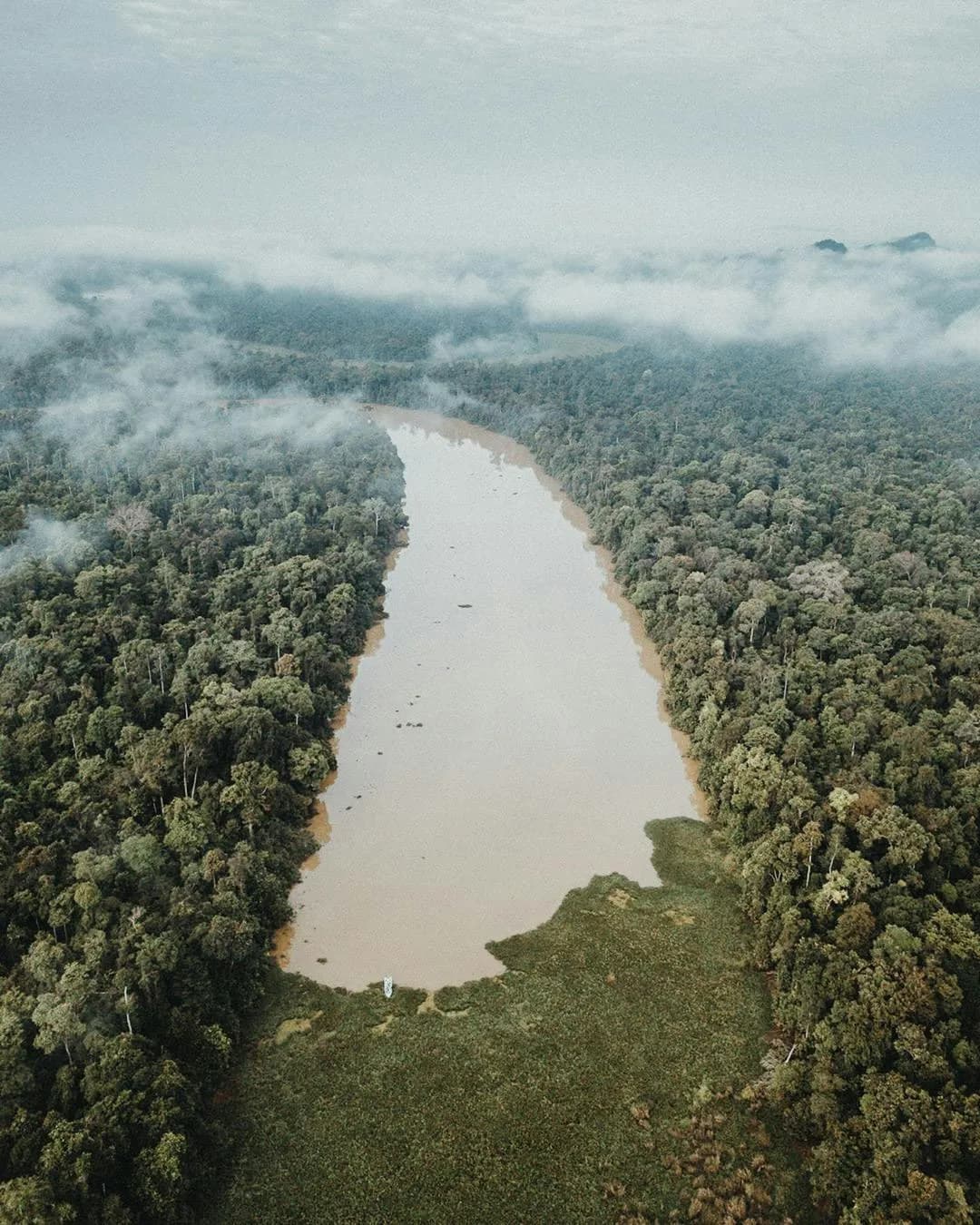
Kinabatangan River

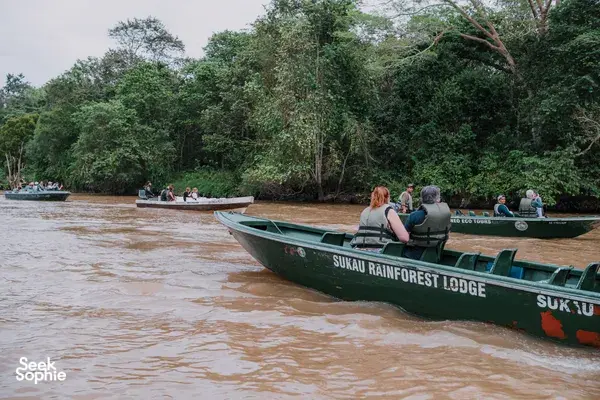


Top Kinabatangan Safaris


All Kinabatangan River Experiences
2D1N Kinabatangan SafarisIf you don't have much time, a 2 day trip will give you a good chance of seeing wildlife








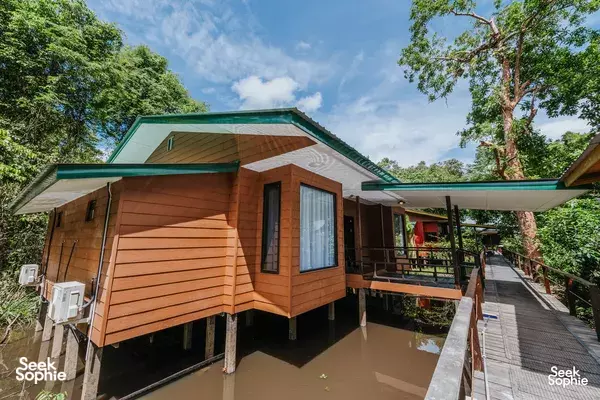
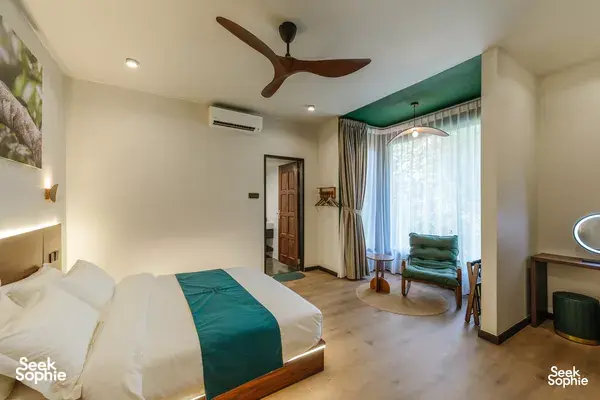
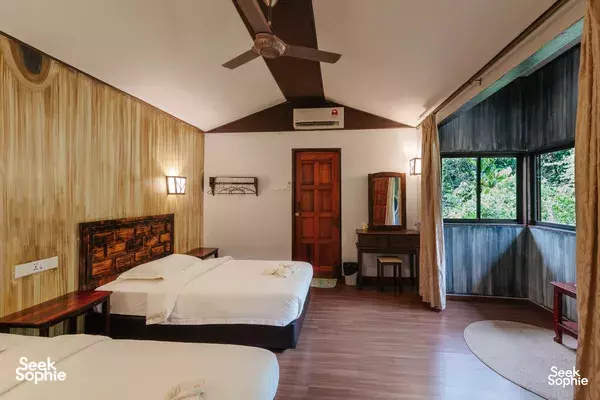

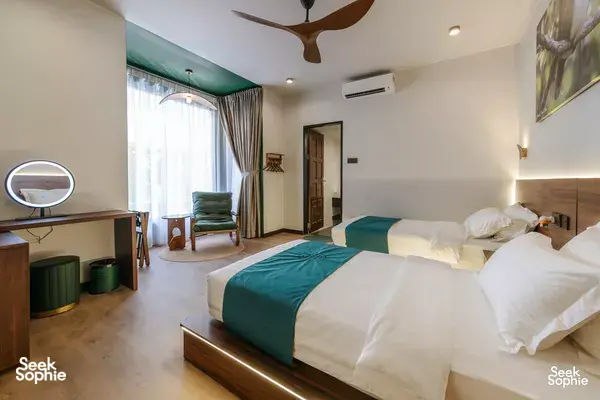
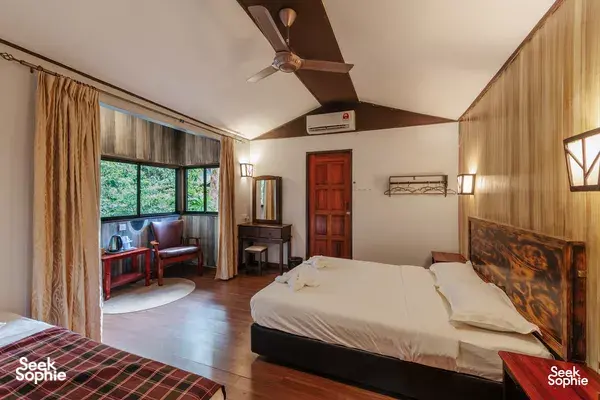
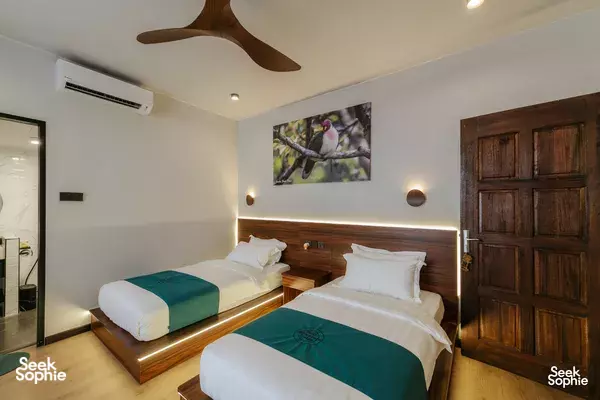
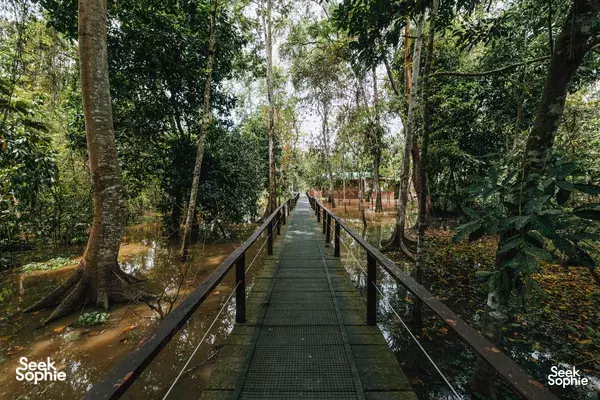
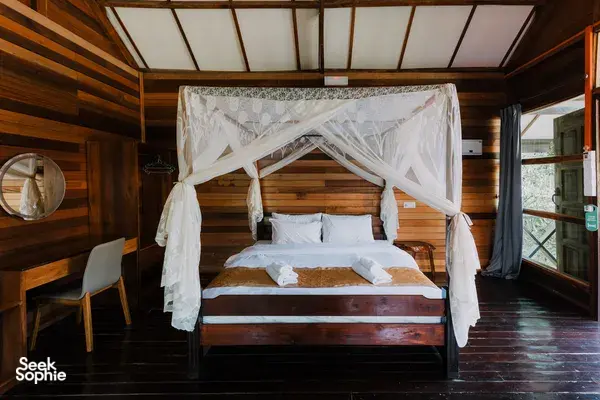
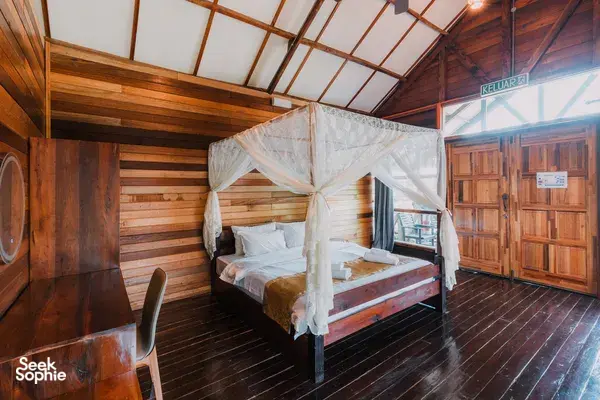

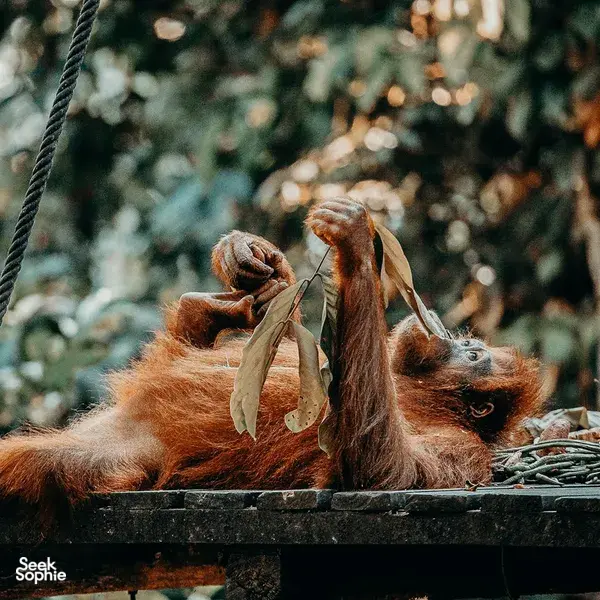
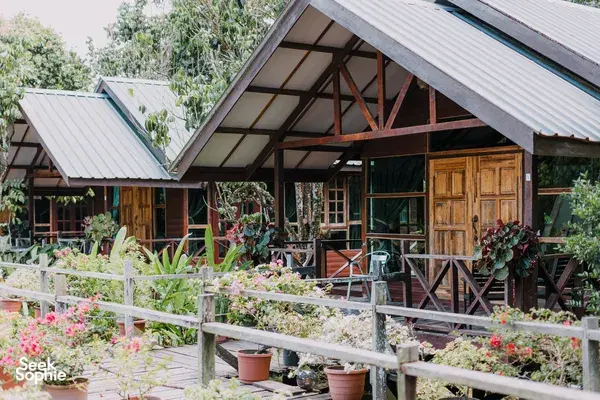
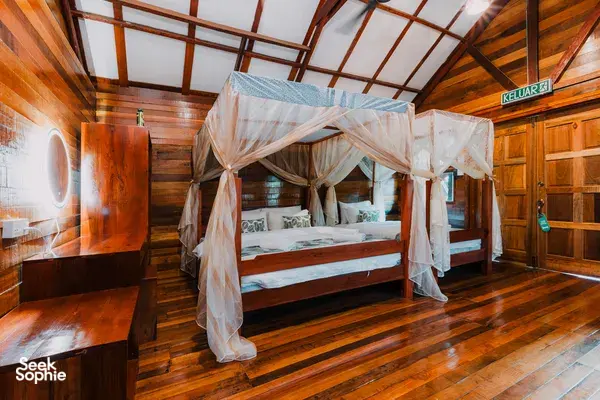
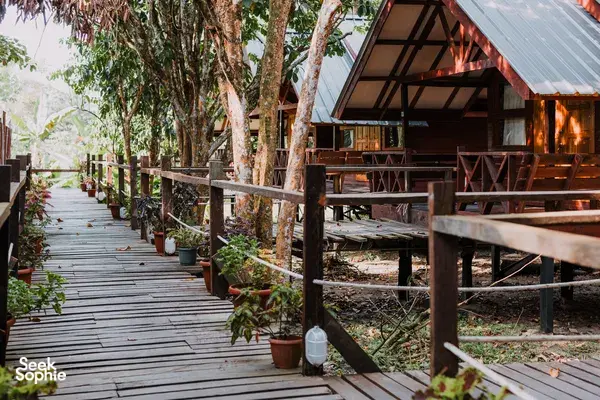
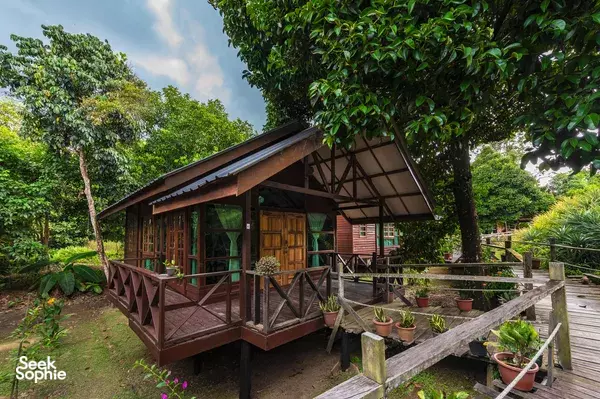
Longer Wildlife Adventures in SabahExtend your adventure with Kinabatangan & other must-see Sabah wildlife destinations!

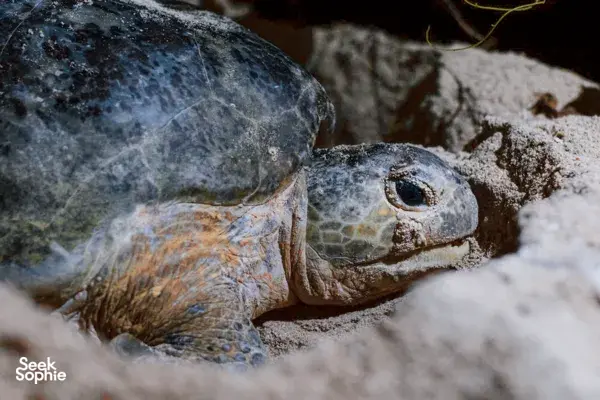
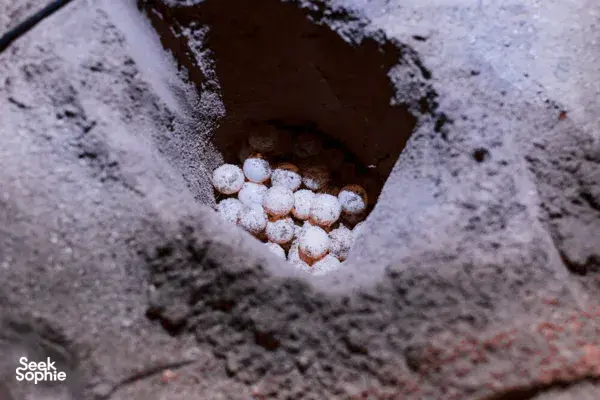









Browse Collection
Visiting Kinabatangan River

Why These Experiences Made Our List
We’ve visited Kinabatangan many times to try the lodges and safaris ourselves. The three things we look for are great wildlife guides, fewer crowds, and lodges that benefit local communities. The ones we chose here have consistently excellent guides - often Orang Sungai locals who know the forest deeply. This makes all the difference for a wildlife experience.
Many are also community-run, and a few also take you to quieter parts of the river away from the usual boat traffic (bonus!).
Best Time to Go
The dry season, from March to September, is generally considered the best time to visit. During this period, wildlife tends to congregate around the river to drink, so you'll get a better chance of sightings. The weather is also more predictable, making river cruises and jungle treks more enjoyable. If you go in the peak months of June to August, expect heavier crowds!
How to Avoid the Crowds
When we first visited Kinabatangan years ago, there was no one there. Now in June-August, there are lots of boats all crowding in the same areas. This is great because tourism here directly helps protect the wildlife from losing their home. But we don't love crowds either!
To avoid the crowds:
- Visit in March–May (shoulder season) for good wildlife sightings with fewer boats.
- Choose a lodge that explores quieter stretches of the river, away from the main wildlife areas that get crowded.
How Many Days to Plan for
Wildlife sightings are always unpredictable, so the more time you have, the better your chances of spotting the Borneo Big 5.
The shortest time you need is 1 day as you can visit Kinabatagan as a day trip from Sandakan. This only includes one river cruise so your chances to spot wildlife are limited.
We recommend at least 2 to 4 days here. You'll get 1-2 river safaris a day and jungle walks. The longer you stay, the higher your chances of seeing elephants and orangutans.
How to Choose a Kinabatagan Lodge
The most important factor on a Kinabatangan safari is the guide. A great guide can spot wildlife you’d completely miss otherwise. We’ve done that groundwork for you - the lodges here have consistently great guides, many from the local Orang Sungai community.
So when choosing between them, focus on what suits you best: your budget, comfort level, and the itinerary. Lodges here range from simple B&B-style stays to comfortable eco-lodges, and each offers slightly different activities.
Top things to see & do



Helpful Questions
What is the Kinabatangan River?
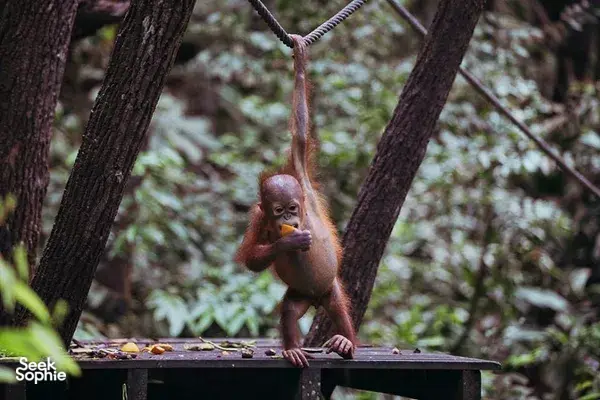
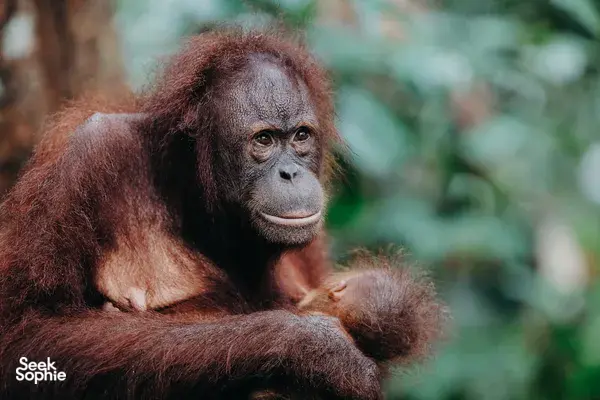
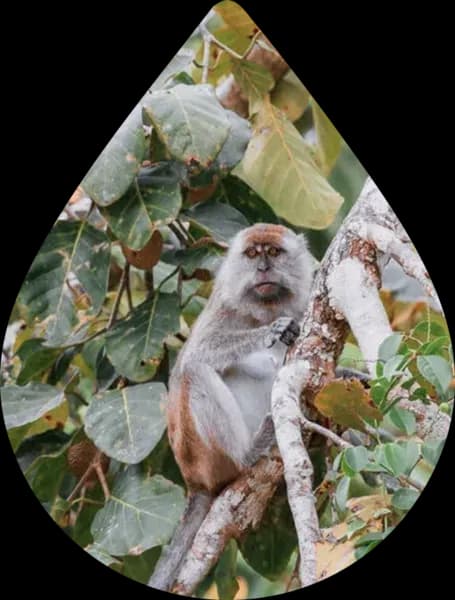
Kinabatangan River is Sabah’s longest river, stretching for 560 kilometers, flowing from the Crocker Range in the west all the way to the Sulu Sea in the east. The river is an essential waterway supporting an extensive floodplain that fosters incredible biodiversity, making it one of the best wildlife destinations in Southeast Asia. It’s home to Borneo’s "Big Five": pygmy elephants, orangutans, proboscis monkeys, crocodiles, and rhinoceros hornbills, as well as numerous bird and reptile species.
This region faces serious environmental challenges, particularly from oil palm plantations that encroach on wildlife habitats. However, several protected areas, such as The Lower Kinabatangan Wildlife Sanctuary offer refuge to species that call this place home.
The Kinabatangan offers a unique opportunity for travelers to explore river-based wildlife safaris and immerse themselves in one of Borneo's most significant ecosystems.
Is it worth going to Kinabatangan River?
We think so! Kinabatangan River is one of our favourite spots in Southeast Asia for wildlife spotting. It’s basic (don’t expect luxury!), but it's a nice retreat to nature and suitable for all ages. On a river cruise, you'll get the chance to spot orangutans, pygmy elephants, proboscis monkeys, crocodiles, and hornbills!
When’s the best time to visit?
March to September (dry season) = Best time! Wildlife gathers around the river, making sightings easier.
November to February (rainy season) = The rainforest is lush, but animals spread out. You can still see wildlife, but it may take longer.
How much time do I need?
While a day trip from Sandakan is possible, it only leaves time for one river cruise, so your chances of spotting wildlife are slim!
For a better experience, we highly recommend staying overnight at a lodge on the river. A 2-day, 1-night (2D1N) stay allows for two river safaris, while the ideal 3-day, 2-night (3D2N) option includes 4-5 river safaris and jungle treks. As wildlife sightings are never guaranteed, the longer you stay, the higher your chance of spotting elephants and orangutans!
Are boat tours still available during the rainy season?
Yes! Boat safaris run all year round, but rain can sometimes delay trips.
What’s the best way to travel to Kinabatangan River from Kota Kinabalu or Sandakan?
- From Kota Kinabalu, take a 45-minute flight to Sandakan, then drive 2 hours to Kinabatangan.
- From Sandakan, it’s a 2-hour drive. Most lodges arrange transport, so you don’t have to figure it out yourself!
Are there ATMs or places to withdraw cash near the river?
No ATMs in Kinabatangan! Withdraw cash in Sandakan before heading to the river.
How’s the internet connection at Kinabatangan River
Yes you can expect decent wifi at your lodge, and if you have 4G you will be able to access the internet on your river safari.
What are the food options available at the lodges?
Lodges serve buffet-style local food—expect rice, veggies, chicken, and fish. It’s nothing fancy but there will be sufficient food for large appetites.
Are vegetarian or vegan meals available?
Yes! Just let your lodge know in advance so they can prepare meals for you. Don’t expect a lot of vegetarian/vegan options - likely a simple fried rice or noodles.
Is drinking water provided, or should I bring my own?
Filtered drinking water is provided at most lodges—bring a refillable water bottle.
What kind of bathroom facilities can I expect?
Most lodges have Western-style toilets and basic but clean bathrooms with showers.
Are meals included in the tour prices?
Yes! All lodge packages will include meals, accommodation, and safaris.
What animals can I see at Kinabatangan River?
Kinabatangan River is home to Borneo’s "Big Five": pygmy elephants, orangutans, proboscis monkeys, crocodiles, and rhinoceros hornbills, as well as numerous bird and reptile species!
Will I definitely see orangutans and elephants?
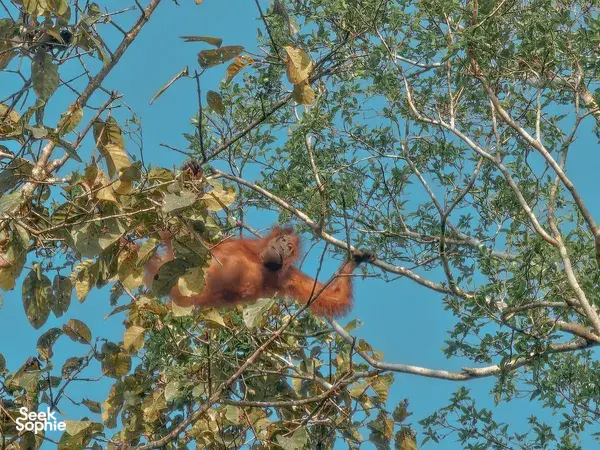
It's not guaranteed - Kinabatangan River is a wildlife safari, not a zoo! But the longer you stay, the better your chances. June–September is the best time for orangutans, especially July and August when fruiting season brings them closer to the river. Elephants can be seen year-round, but they’re easier to spot in the dry season when they come out of the dense forest.
What’s the best camera for Kinabatangan?
A zoom lens (at least 200mm) is ideal. Animals aren’t always close, and you don’t want a blurry orangutan pic.
Can I bring a drone?
Nope. Drones are banned in Kinabatangan to protect wildlife.
What should I pack?
- Leechsocks if you plan on going on one of the hikes
- Good walking shoes (doesn’t have to be hiking shoes as it’s not a very intense trail, just some light jungle trails)
- Rain coat/jacket, especially during rainy season
- Dry bag to store your camera equipment when you are on the boat
- Insect repellent
- Sunscreen
- Hat
Do I need malaria pills?
Kinabatangan is not a high-risk malaria zone, but there are mosquitoes. Just use repellent and wear long sleeves at night. No need for malaria tablets.
Are there dangerous animals?
Yes, but they avoid people. Just follow your guide’s instructions, and you’ll be fine.
Is it safe for solo female travellers?
Yes! Kinabatangan is generally safe, and lodges are small, friendly, and community-run. Most travelers stay at lodges as part of a small group.
Is it safe to walk around at night?
You won’t need to—everything is within your lodge area, and guides accompany you for night safaris.
Is there a dress code for female travelers?
No strict dress code, but light, long sleeves & pants are best for protection against mosquitoes and the sun.
Is Kinabatangan River a good place to visit with kids?
Yes! The safaris are boat-based, so there’s no long trekking—perfect for families. Kids will love spotting monkeys, crocodiles, and elephants! Many families also visit Sepilok Orangutan Reserve, Sun Bear Reserve, or Turtle Island (Selingan) for an easy and fun add-on.
What’s the minimum age for kids on a boat safari?
Most lodges welcome all ages, but do keep in mind that you will be going on a boat to observe wildlife, so do consider if your child is mature enough to sit still and quiet for a few hours.
Are there family-friendly lodges?
Yes! Most of them welcome families with young children. Lodges like Borneo Natural Sukau Bilit Resort and Sukau Greenview offer comfortable stays for families. You will want to avoid Last Frontier as it has a very long and steep staircase.
Are there child-sized life jackets?
Most lodges provide life jackets, but if you're traveling with small children, it's good to check in advance.
Is it ethical to spot wildlife at Kinabatangan River?
Yes, but the story is quite complex. Wildlife is easy to see here because their habitat has been shrinking—much of the forest was cleared for palm oil plantations, leaving only a narrow strip of jungle along the river.
The good news is that this remaining forest is now protected as the Lower Kinabatangan Wildlife Sanctuary, and boat safaris have low impact since they stay on the river and don’t disturb the forest. However, more tourists mean more boats on the river, sometimes crowding animals like elephants and making them uncomfortable. To reduce your impact, consider staying at a lodge in a quieter area where there are fewer boats.
How did tourism save Kinabatangan River from disaster?
Just 30 years ago, Kinabatangan was on the brink of disaster. Deforestation for palm oil plantations was destroying the rainforest, and wildlife had nowhere left to go. Only a thin strip of jungle along the river remained as a refuge.
But then travellers started coming to see the wildlife, and suddenly, the area’s value shifted from palm oil to ecotourism. More visitors meant more income for local communities, and eventually, the government chose to protect what was left instead of clearing it. This is why Kinabatangan’s incredible wildlife still exists today—because people like you chose to visit responsibly!
Is it ethical to visit the Sepilok Orangutan Rehabilitation Centre?
Yes! Sepilok is a genuine rehabilitation centre, not a zoo. It rescues orphaned and injured orangutans that have lost their homes due to deforestation and the illegal pet trade, with the goal of rehabilitating them for release back into the wild.
Unlike unethical animal attractions, there’s no touching or close interactions with the orangutans. While they aren’t as wild as the orangutans in Semenggoh (Kuching), Sepilok is still more of a reserve than a zoo, meaning it focuses on conservation rather than entertainment. If you want to support orangutan conservation, visiting Sepilok is a good way to do it!
What’s the difference between Kinabatangan River and Danum Valley for wildlife spotting?
- Kinabatangan – Easy boat safaris, high chance of seeing wildlife as they’re all concentrated in a small part of the river.
- Danum Valley – More remote, requires trekking, but has pristine rainforest. Harder to spot wildlife as the forest is vast and thick - so the wildlife will be hiding.
Can I combine Kinabatangan River with a visit to Sepilok Orangutan Rehabilitation Centre?
Yes! Many travellers visit Sepilok first (to see rescued orangutans) and then head to Kinabatangan for wild orangutans. Many of the trips here will include a visit to Sepilok Orangutan Reserve & the Sunbear Sanctuary.
What types of accommodation are available near Kinabatangan River?
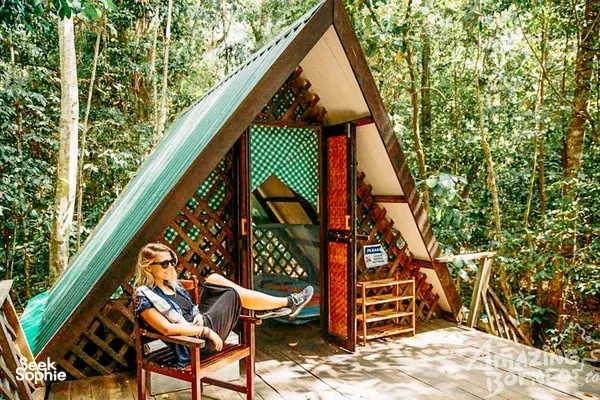
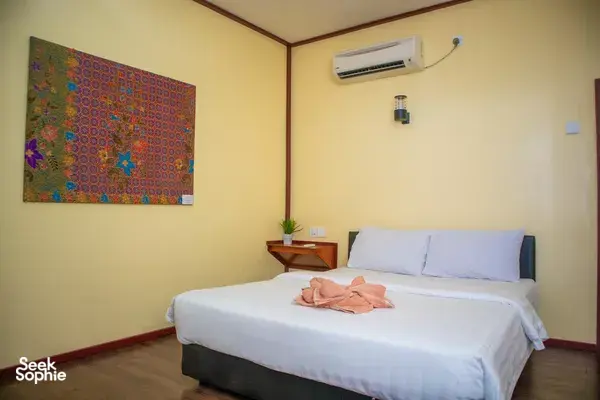
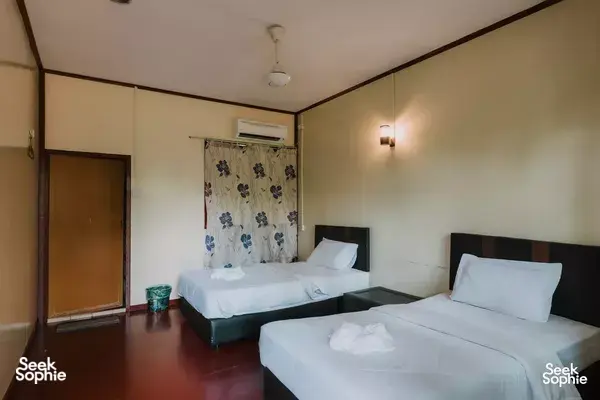
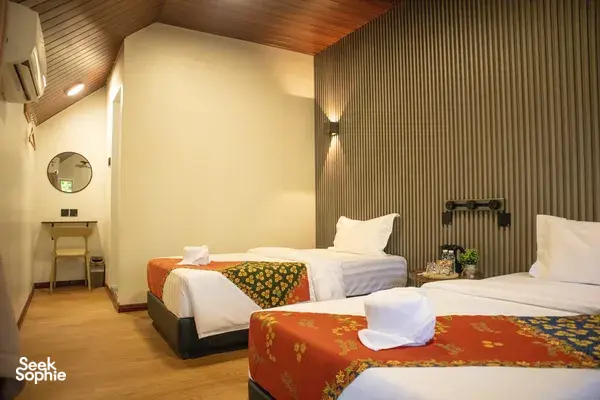
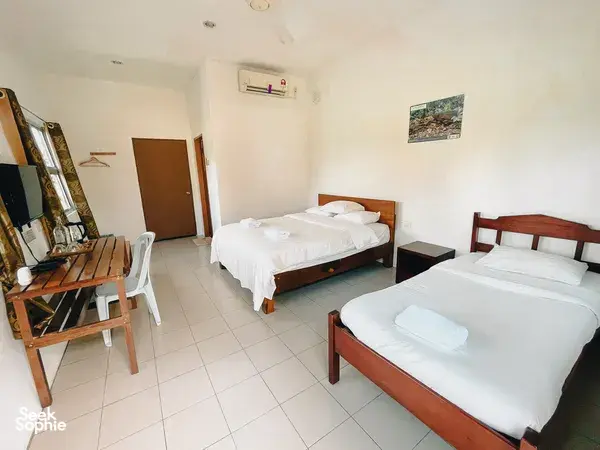
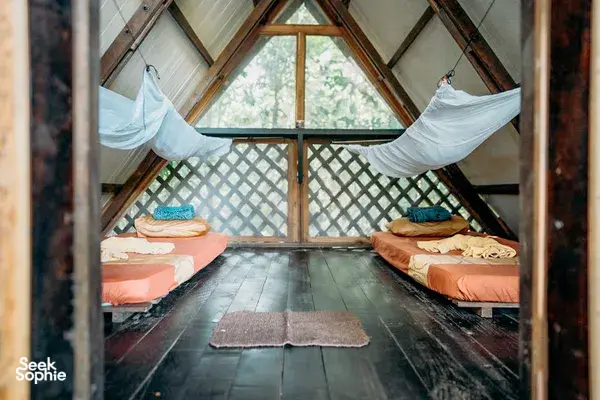
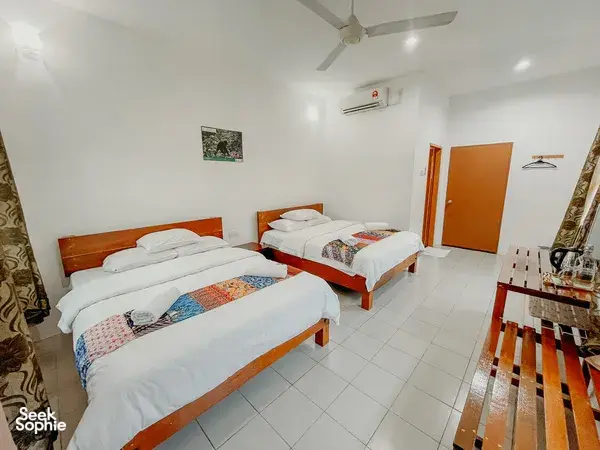
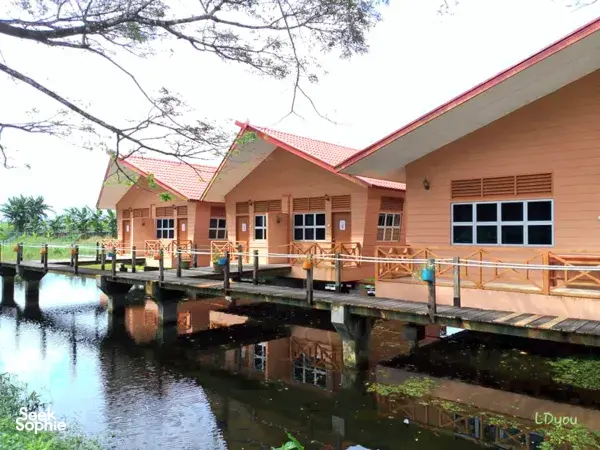
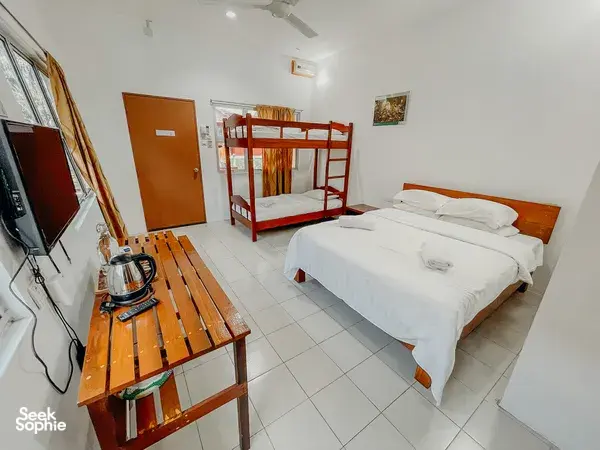
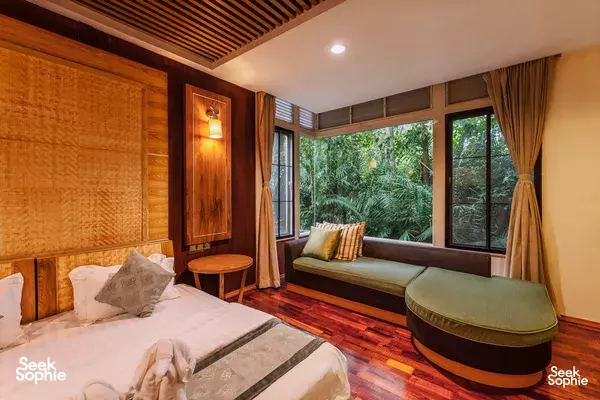
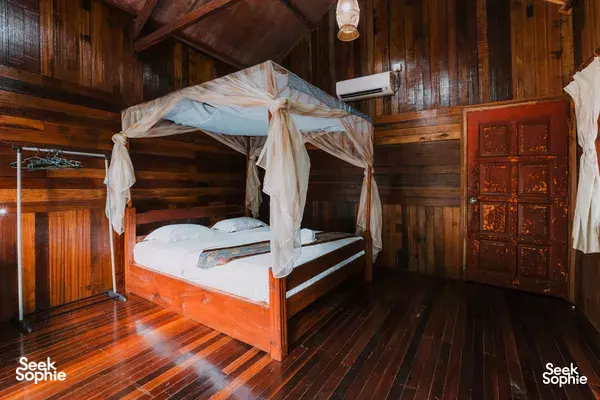
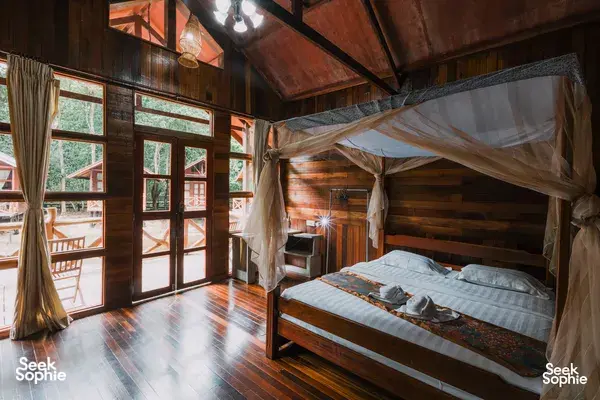
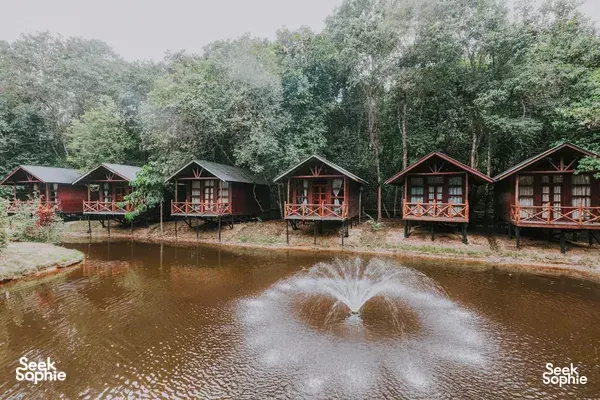
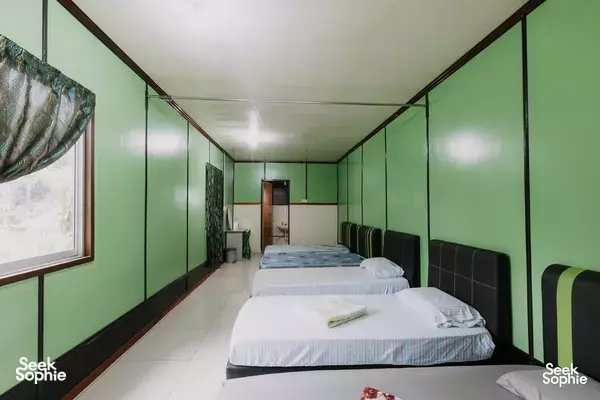
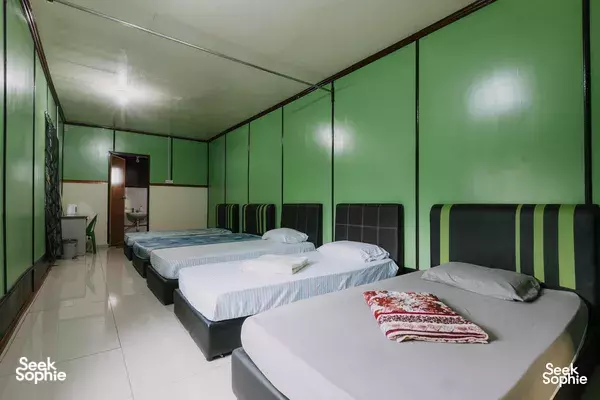
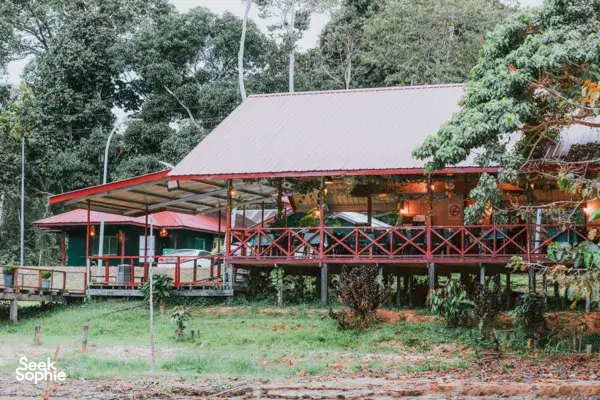
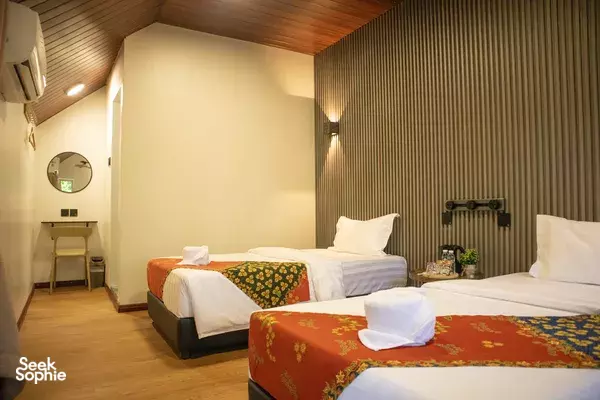
There are budget homestays, mid-range lodges, and eco-lodges. All come with meals and boat safaris. The stays in Kinabatangan are very basic - so even the highest end ones won’t be 5-star resort level stays. Expect basic lodges in nature, and the nicest ones would be slightly dated 4 star spots.
Should I stay in Bilit or Sukau?
Both Bilit and Sukau are great bases for exploring Kinabatangan River, and regardless of where you stay, you’ll visit the same wildlife hotspots during boat safaris. However, there are some key differences that might help you decide:
Bilit (More Local & Quiet) – Bilit is a smaller and quieter village with fewer lodges and less tourism infrastructure. Staying here gives you a more local experience, as there are small community-run homestays and eco-lodges. It feels a little more off-the-beaten-path, and because there are fewer boats on this stretch of the river, it can offer a more peaceful safari experience.
Sukau (More Accommodation Choices & Established Tourism) – Sukau is the main gateway to Kinabatangan River, so it has more lodges, better transport options, and a wider range of accommodations. It’s easier to book last-minute stays here, and lodges tend to be larger and more established. Because Sukau is more popular, there can be more boats on the river, especially during peak season.
Which one should you choose?
- If you prefer fewer crowds and a more local feel, go for Bilit.
- If you want more accommodation options, slightly easier logistics, and don’t mind a few more boats, go for Sukau.
What are the main activities at Kinabatangan River?
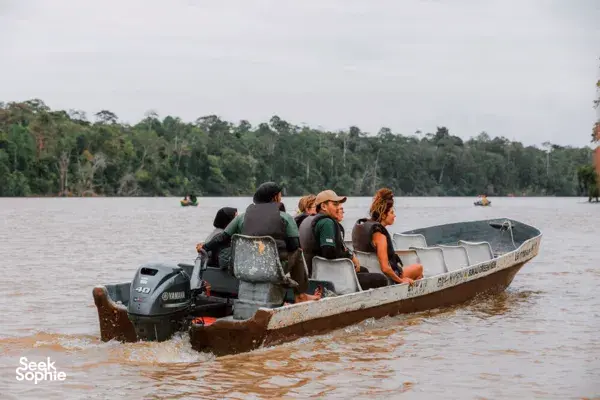
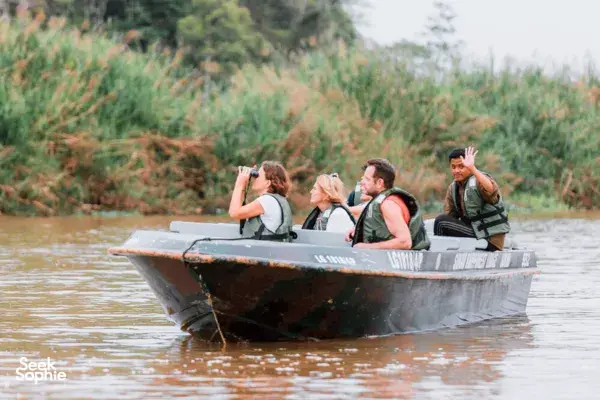
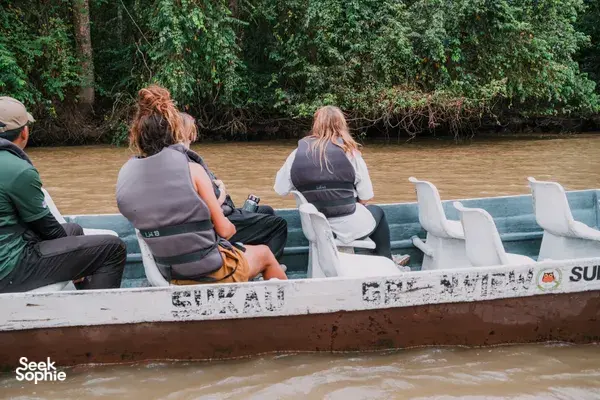
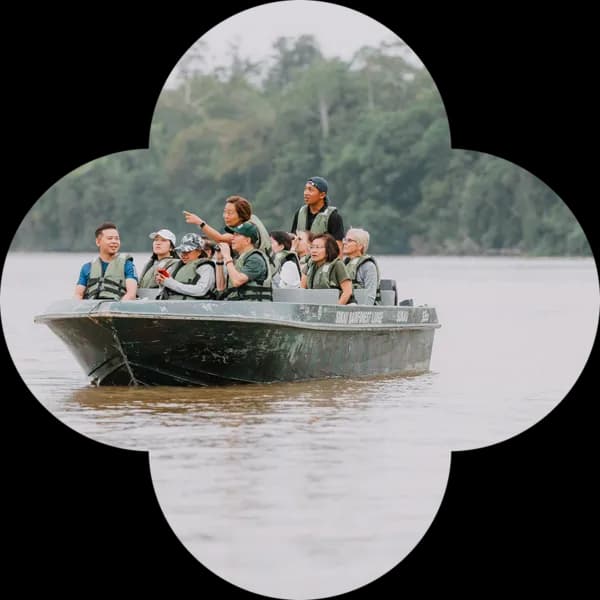
1.River Safaris (Must-Do!): The main way to see wildlife! Early morning and late afternoon boat cruises give you the best chances to spot proboscis monkeys, crocodiles, and even pygmy elephants.
2.Jungle Trekking: Some lodges offer guided treks through the rainforest, allowing you to experience the rich biodiversity of Borneo up close. Look out for insects, rare birds, and even small mammals!
3.Night Walks: For the more adventurous, night jungle walks let you see nocturnal creatures like frogs, insects, and flying foxes. A torchlight is a must!
4.Bird Watching: Kinabatangan is a haven for bird watchers, home to over 200 bird species, including hornbills (Borneo has eight species), kingfishers commonly spotted along the riverbanks, and various eagles and owls. If you love birds, be sure to bring binoculars and a good camera for the best sightings!
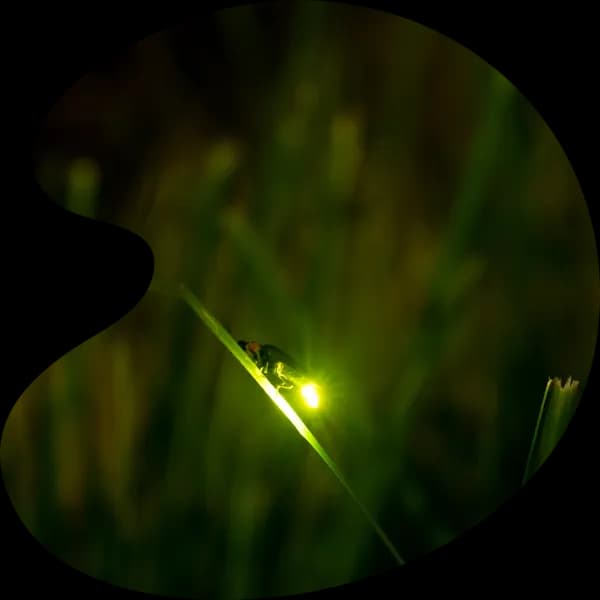
5.Fireflies Cruise: At night, some lodges offer a firefly cruise, where you’ll see thousands of fireflies light up the trees. It’s magical!
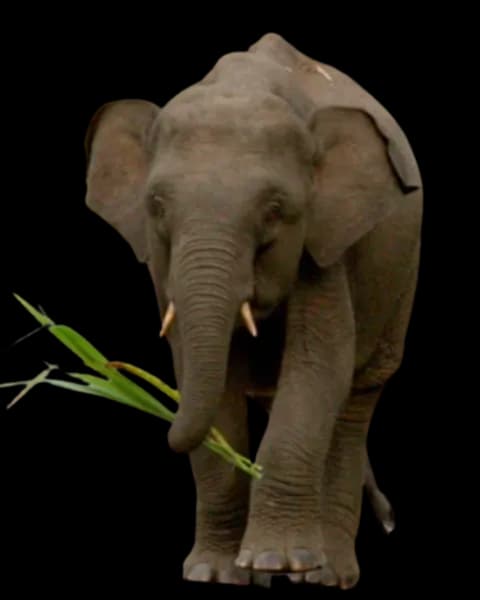
6.Elephant Cruise: Elephants aren’t always near the main river, but some lodges offer special elephant cruises. If elephants are spotted nearby, the lodge will organise an add-on cruise to take guests there. No guarantees, but this is your best chance to see them!
Is Kinabatangan River safe?
Yes! Kinabatangan River is generally very safe for visitors, including families and solo travelers. Since most of the experience involves guided boat safaris, there’s minimal physical activity required, and no risky treks through dense jungle.
However, like any wildlife destination, there are a few things to keep in mind:
- Wildlife Safety – The river is home to crocodiles, pygmy elephants, and wild orangutans, but they don’t pose a danger as long as you respect their space. Crocodiles stay in the water and won’t approach boats, and elephants usually keep their distance unless provoked. Always listen to your guide and never attempt to touch or feed animals.
- Boat Safety – All boats are operated by experienced guides, and lodges provide life jackets. The river is calm, and boats don’t go into rough waters, making it a safe experience even for kids.
- Mosquitoes & Insects – There are mosquitoes and other jungle insects, but Kinabatangan is not a high-risk malaria area. It’s still a good idea to wear long sleeves, use insect repellent, and check if you need vaccinations before your trip.
- Medical Emergencies – The nearest hospital is in Sandakan (2 hours away), so if you have a medical condition, bring any necessary medication. Lodges have basic first aid kits, but there are no major medical facilities near the river.
- Solo & Female Travelers – Kinabatangan is very safe for solo travelers, including women. Lodges are small, friendly, and community-run, and most visitors join small-group tours, so you won’t feel isolated. Since everything is arranged through lodges, there’s no need to walk alone at night, and guided activities are well-organized.
- Crime & Scams – There’s very little crime in Kinabatangan, and the locals are welcoming and friendly. Since most people stay at lodges with arranged transfers, scams and theft are almost non-existent.
As long as you follow your guide’s instructions, respect the wildlife, and come prepared, Kinabatangan River is a very safe and enjoyable experience!
Are there other places in Borneo where I can see wildlife besides Kinabatangan River?
Yes! Other great wildlife spots include:
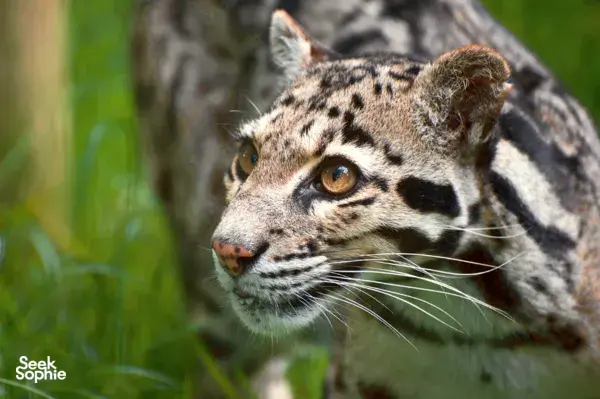
- Danum Valley (Wild) – 3.5–4 hours from Kinabatangan (via Lahad Datu). A 130-million-year-old rainforest, one of the oldest in the world. Home to orangutans, pygmy elephants, and even clouded leopards, but the dense foliage makes spotting large wildlife harder. Best for those who love deep jungle trekking.
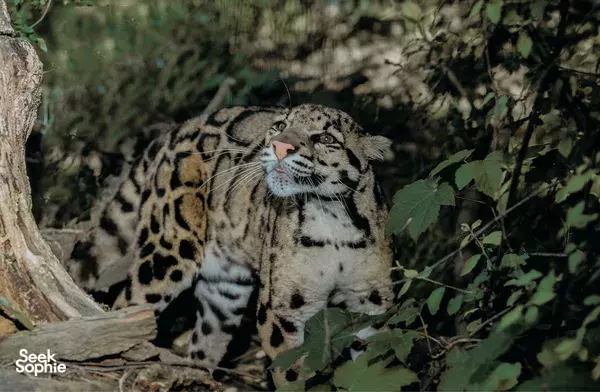
- Deramakot Forest Reserve (Wild) – 4–5 hours from Kinabatangan. One of the best places in the world to spot clouded leopards. Also home to pygmy elephants, sun bears, and slow lorises. Less touristy, with jeep safaris and jungle hikes instead of boat trips.
- Tabin Wildlife Reserve (Reserve & Wild) – 4 hours from Kinabatangan. A mix of protected reserve and wild rainforest, making it a great place to see Bornean pygmy elephants, orangutans, and the rare Bornean banteng (wild cattle).
- Sepilok Orangutan Rehabilitation Centre (Reserve) – 2 hours from Kinabatangan (near Sandakan). The best place to see rescued orangutans up close, as they recover before being released into the wild. No touching or close interactions, making it an ethical place to visit.
- Bornean Sun Bear Conservation Centre (Reserve) – 2 hours from Kinabatangan (next to Sepilok). A sanctuary for rescued sun bears, the world’s smallest bear species. You can watch them roam in large enclosures while learning about conservation efforts.
- Turtle Island (Selingan & Libaran) (Reserve) – 2.5 hours from Kinabatangan (boat from Sandakan). A protected nesting site for endangered sea turtles. You can see turtles laying eggs at night or baby turtles hatching and making their way to the sea.