Your bag
Bag whispers: "Fill me!"
Order Total
$0 USD
Checkout

Rescue & Conservation in Indonesia

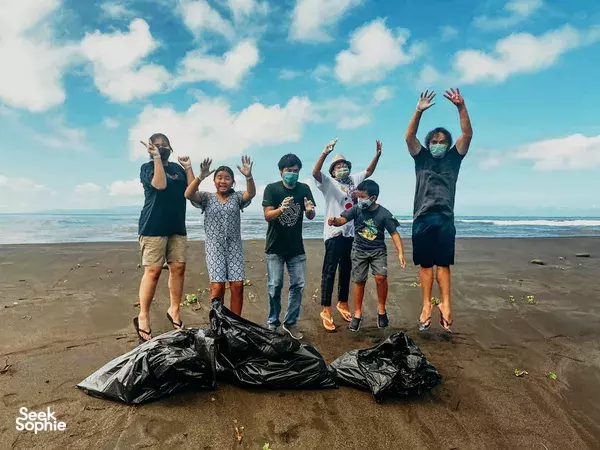
"Rescue & Conservation in Indonesia: Safeguarding wildlife and habitats"

All Rescue & Conservation in Indonesia

Loading...

Browse Collection


Love letters from our guests

5
|
320 reviews
What an amazing experience. Our family of four enjoyed this so much. Wayan and his family were so welcoming. Everything about this experience surpassed our expectations. The passion of Wayan and his family, the farm, incredible food and of course the firefly’s. This topped our trip to Bali, we loved every minute. If you are after an authentic experience you must do this. Also want to mention our driver Gede who was a wealth of knowledge.
Brooke Evans
We really enjoyed this experience. The team here is very dedicated to their mission of bringing back fireflies, as well as promoting sustainable farming techniques in the local area. The fireflies are beautiful and the meal is amazing. Highly recommended
Ben
My son and I had a wonderful time on this tour. It's such a great initiative. We were shown around the farm, learning lots about the plants and Balinese life. We also participated in the preparation (and eating!) of a huge Balinese traditional meal. But the highlight is the fireflies, learning about Wayan's work to rehabilitate their population, then watching them zooming around in the darkness of the forest and over the rice paddies. We haven't finished our holiday here yet, but I think maybe this will be the best thing we did in Bali.
Terry Beutel

Rescue & Conservation in Indonesia FAQs

How can I responsibly support wildlife rescue efforts while visiting Indonesia?

To responsibly support wildlife rescue initiatives in Indonesia, consider volunteering or donating to reputable organisations such as the Borneo Orangutan Survival Foundation or the Bali Wildlife Rescue Centre. Always follow guidelines on interacting with wildlife — avoid feeding, touching, or taking photographs too close-up, as this can cause stress to animals. Respect local regulations and eco-sensitive zones, and choose guided tours that prioritise conservation. By doing so, you help promote ethical conservation practices while enriching your photography with authentic, undisturbed wildlife encounters.

Are there opportunities for ethical wildlife photography in remote areas of Indonesia?

Absolutely. Indonesia’s remote areas, like Sumatra’s rainforests or Raja Ampat’s marine reserves, offer fantastic opportunities for authentic, ethical wildlife photography. To do this responsibly, always seek permission from local guides or conservation groups before entering protected zones. Use telephoto lenses to capture animals without disturbing them, and avoid flash photography which can cause stress. Engaging with local communities skilled in conservation can also enrich your understanding and enable you to capture images that tell a meaningful story about the species and ecosystems you encounter.

What are some tips for visiting conservation-focused projects without causing disturbance?

When visiting conservation projects in Indonesia, always adhere to the organisation’s visitation rules—maintain a safe distance, avoid loud noises, and refrain from unsolicited interactions with animals. Dress modestly and respectfully, and take only photographs that do not cause distraction. Participating in guided tours led by trained personnel ensures you gain insights while respecting the animals and their habitats. Remember, your behaviour can impact the wellbeing of wildlife; leaving no trace and supporting local conservation is vital for successful rescue efforts.

How can I travel off the beaten path while supporting local conservation and rescue initiatives?

To travel responsibly off the beaten path in Indonesia, research and connect with local community-led conservation programmes or eco-lodges that actively participate in wildlife rescue and habitat preservation. Opt for eco-tours that prioritise minimal environmental impact and involve local guides passionate about conservation. Staying in locally owned accommodations supports community development while reducing environmental footprint. Before visiting, educate yourself on the cultural sensitivities and environmental issues specific to the region, ensuring your presence contributes positively to ongoing conservation efforts.

What should I know about Indonesia's efforts to protect its endangered species and habitats?

Indonesia has numerous protected areas and national parks dedicated to conserving its unique biodiversity, such as Lorentz National Park and Ujung Kulon. The government and various NGOs actively work to combat deforestation, illegal wildlife trade, and habitat destruction through enforcement and community engagement. As a traveller, you can support these efforts by choosing responsible tours, avoiding products made from endangered species, and spreading awareness. Being knowledgeable about local conservation laws and respecting protected zones ensures your visit contributes positively to Indonesia’s ongoing efforts to preserve its rich natural heritage for future generations.
Only the good stuff
So.. who's Sophie?
We get asked that a lot! There’s no one on the team actually named Sophie. Sophie means wisdom in Greek. We wanted Seek Sophie to be about travel that helps you discover more about yourself and the world—travel that fills your heart and leaves you feeling more connected.
Let’s be friends!
Get the scoop on secret spots and hidden gems delivered straight to your inbox.
English
USD
English
USD
© Seek Sophie 2026PrivacyTerms
Travel Agent Licence TA03435