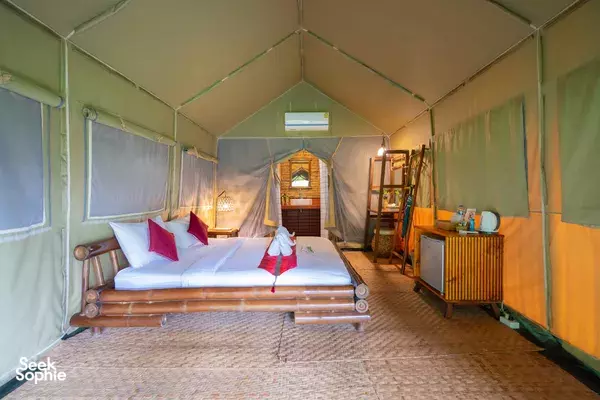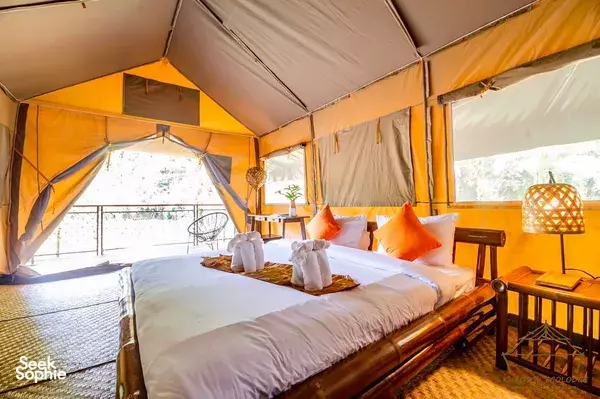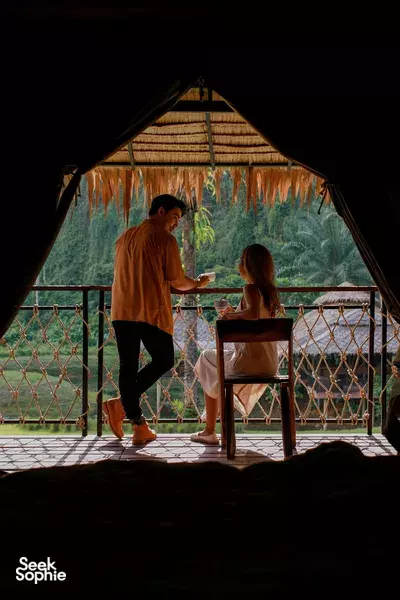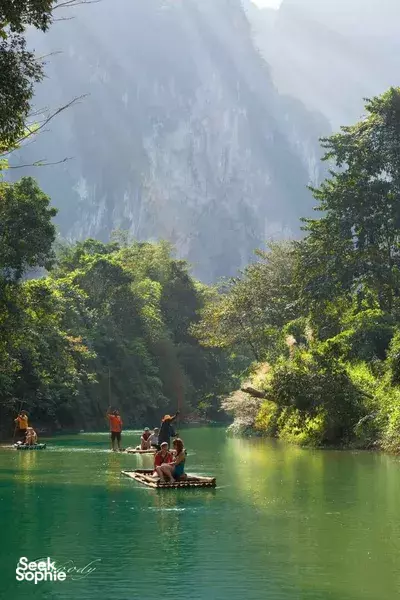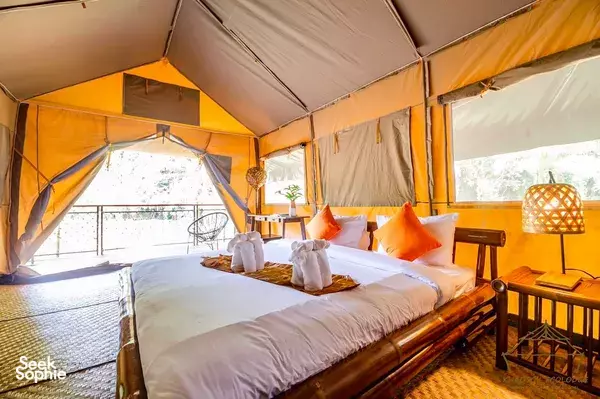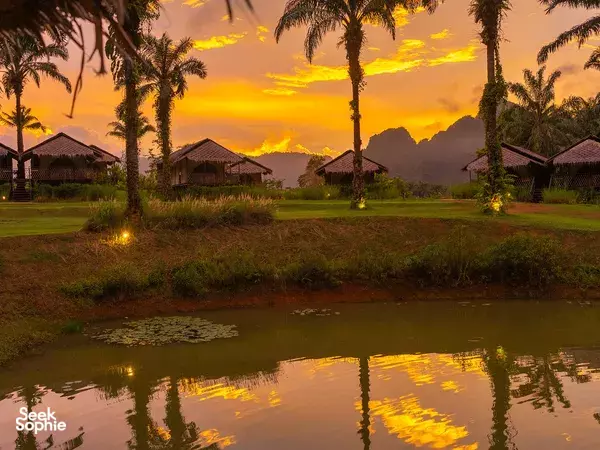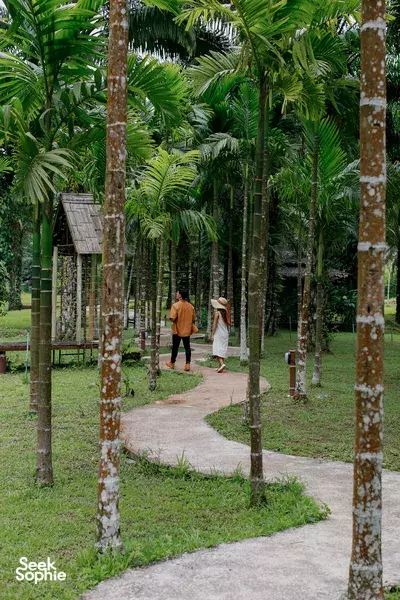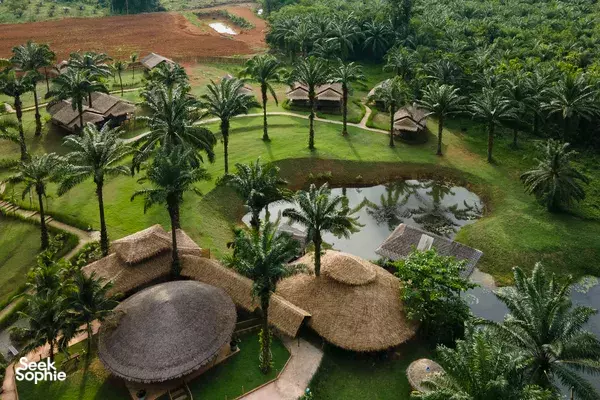
Camping in Thailand
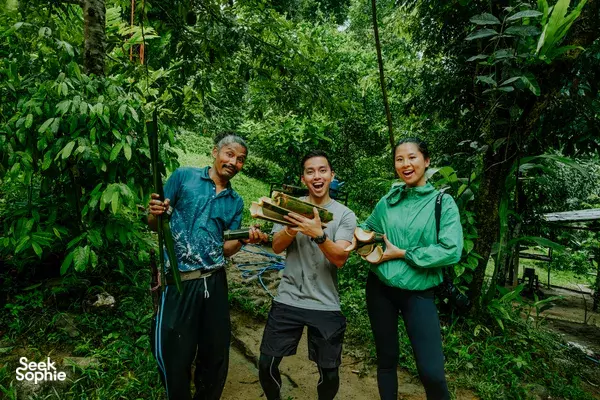
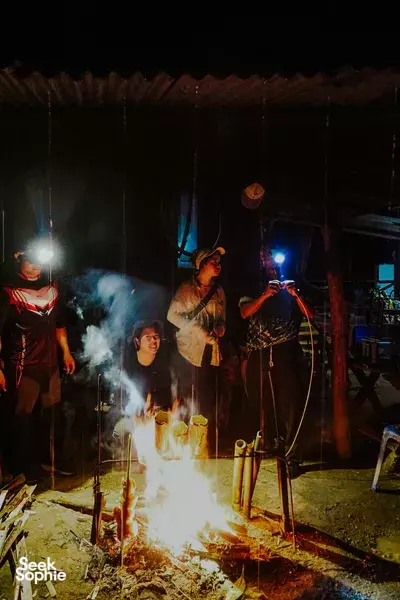
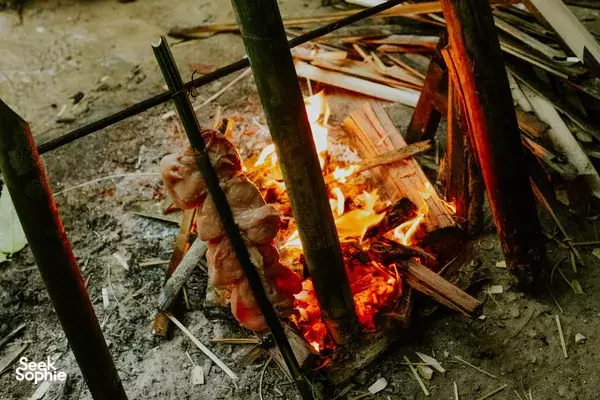
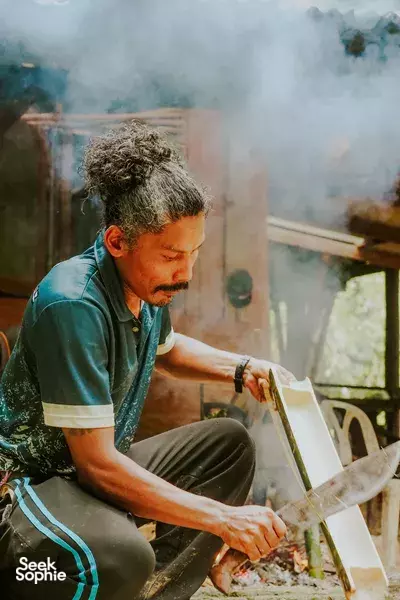
Sleep under the stars in Thailand’s stunning nature—think beaches, jungles, waterfalls, and pure serenity!
All Camping in Thailand
Loading...
Browse Collection
Love letters from our guests
4.9
|
85 reviews
Camping in Thailand FAQs
What are some lesser-known camping spots in Thailand that offer authentic local experiences?
For travellers seeking off-the-beaten-path camping experiences, consider exploring remote regions like the Mae Kampong Village in Chiang Mai, where traditional hill tribe culture still thrives amidst lush tea plantations. Koh Yao Noi offers secluded beaches perfect for peaceful overnight stays away from tourist crowds. Additionally, the Phu Lom Lo in Phu Thap Bha is a fantastic destination for camping amidst striking mountain scenery and vibrant local markets. Remember to respect local customs, seek permission where needed, and support local communities by purchasing goods or services during your stay.
What are the essential safety tips for camping in Thailand’s wilderness areas?
When camping in Thailand’s natural environments, always carry a comprehensive first aid kit and be aware of local wildlife, including snakes and insects. Ensure your campsite is away from known animal habitats — avoid leaving food scraps that may attract pests. Check weather forecasts regularly, especially during the rainy season (May to October), as sudden downpours can lead to flash floods. Respect local regulations concerning fire safety, and use biodegradable toiletries to protect sensitive ecosystems. It's also wise to communicate your plans with local authorities or park officials and avoid camping in protected or private lands without permission.
Are there any specific permits or permissions needed for wild camping in Thailand?
Yes, wild camping is generally not officially permitted throughout Thailand, especially in protected national parks and wildlife reserves. To camp legally and responsibly, you should obtain permits from local park offices or authorities beforehand. Some less-regulated areas or community-managed lands may permit camping with prior approval; it's advisable to contact local tourism offices or community leaders. Always respect signage and regulations, and consider joining organised camping tours or eco-lodges that promote sustainable wilderness experiences, which can offer more extensive guidance and support.
What should I know about local customs and cultural sensitivities when camping in rural Thai areas?
Thai culture places a strong emphasis on respect for local customs and religious sites. When camping in rural areas, dress modestly, especially near temples or sacred sites. Always seek permission from local villagers or community leaders before setting up camp; some areas may have cultural restrictions or beliefs concerning outdoor stays. Be mindful of noise levels, especially early mornings and late evenings, and avoid displaying alcohol or behaviour that might be considered disrespectful. Engaging respectfully with local communities can enrich your experience and often lead to unique cultural exchanges or invitations.
How can photographers make the most of camping trips in Thailand’s diverse landscapes?
Thailand offers a rich tapestry of photographic opportunities, from vibrant markets and traditional festivals to stunning mountain vistas and secluded beaches. To maximise your photography during camping trips, plan to visit early mornings or late afternoons for the best natural light — known as the golden hour. Carry a portable tripod and neutral density filters for capturing landscapes and wildlife. Engage with local communities respectfully; candid shots of daily life can be incredibly rewarding. Also, explore lesser-known spots like remote waterfalls or hill-tribe villages to capture authentic, colourful scenes away from crowds. Always ask permission before photographing locals or their homes, and keep your gear organised to seize spontaneous moments.
Only the good stuff